
India Edition — The Token Game | 96 Seasonal Crypto Coins
India Edition
108 coins · 365 days · Solana
12
Permanent
96
Seasonal
108
Total
Permanent Collection

$GM
Good Morning Coin
Origin
GM was minted at dawn on the first day the 13 nations agreed to speak to one another. It is the oldest coin in The Stash and the only one that has never once traded below its mint price.
Lore
Legend holds that every time someone types 'gm' into the void of the internet, a single GM token materialises somewhere inside The Stash. The nations have never verified this claim, but the supply keeps rising every morning without explanation. Traders who hold GM through sunrise are said to carry a faint golden aura that makes their other positions slightly less catastrophic.
Utility
GM grants its holder a daily mood bonus inside the Token Game, nudging RNG outcomes fractionally upward during the first hour of each in-game cycle. It is also the only coin accepted as a greeting at the gates of Nation Solara.
✦ The morning always comes — the question is whether you were holding the right thing when it did.

$CBC
Coffee Before Crypto
Origin
Coffee Before Crypto was forged in the break room of Nation Grindhaus by a trader who lost forty percent of her portfolio before her first cup of coffee and vowed it would never happen again. The coin was her apology to herself.
Lore
CBC carries a peculiar enchantment: any trade executed while a CBC token sits in your active wallet is logged with a one-minute delay, giving the holder just enough time to reconsider. Three of the 13 nations have tried to ban it for 'interfering with market velocity.' All three repealed the ban within a week after their citizens' portfolios visibly improved. The Stash keeps a commemorative mug.
Utility
Holding CBC reduces impulsive-trade penalties in the Token Game by 15% and unlocks the 'Caffeinated Clarity' passive, which highlights overbought signals in neon orange.
✦ Patience is just caffeine in a slower container.

$OMC
One More Candle
Origin
One More Candle was born in the charting districts of Nation Vigil, where the lights never go off and the clocks were removed from the walls decades ago. A collective of sleepless analysts minted it as both a joke and a confession.
Lore
OMC is rumoured to feed on attention — the more traders stare at its chart, the more volatile it becomes. Historians of the Token Game note that every major OMC pump has occurred between 2 a.m. and 4 a.m. local Vigil time, always preceded by someone saying 'just one more candle and I'll sleep.' The coin has never once closed where anyone expected.
Utility
OMC extends your active session timer in the Token Game by one cycle each time you hold it, but also increases chart-noise variance by 10%, making it a double-edged blessing.
✦ The candle that keeps you up is the same one that burns the house down — mind the wax.

$BOAT
Based On A Tweet
Origin
Based On A Tweet was minted the afternoon a single post from an anonymous account caused three nations to simultaneously move their entire treasury reserves. The founding council called it 'a cautionary token.' The market called it 'a buying opportunity.'
Lore
BOAT has no whitepaper, no roadmap, and no official team — only a pinned post that reads 'probably nothing.' Despite this, it has outperformed every fundamentals-backed coin in The Stash at least once per seasonal cycle. Scholars argue endlessly about whether BOAT is a satire or a prophecy. The anonymous account has never posted again.
Utility
BOAT introduces a random 'viral event' modifier once per game cycle, capable of doubling or halving any coin's price for 24 in-game hours. Holding BOAT gives you advance warning of the event by exactly one candle.
✦ The signal and the noise are the same tweet — only the timestamp tells them apart.

$JATB
Just A Test Bro
Origin
Just A Test Bro was accidentally deployed to the mainnet of Nation Devnet when an engineer pushed to production instead of staging. Rather than roll it back, the council shrugged and listed it on every exchange.
Lore
JATB is technically still in beta. The smart contract contains seventeen unresolved TODO comments and one function named 'doTheThing()' whose purpose no living developer can explain. Auditors have reviewed it four times; each audit concludes with the phrase 'we recommend further testing.' The coin has never been further tested. It keeps working anyway.
Utility
JATB unlocks the 'Testnet Mode' in the Token Game, allowing one simulated trade per cycle with no real consequences — perfect for strategies you're not quite sure about yet.
✦ Everything in production was once a test someone forgot to clean up.
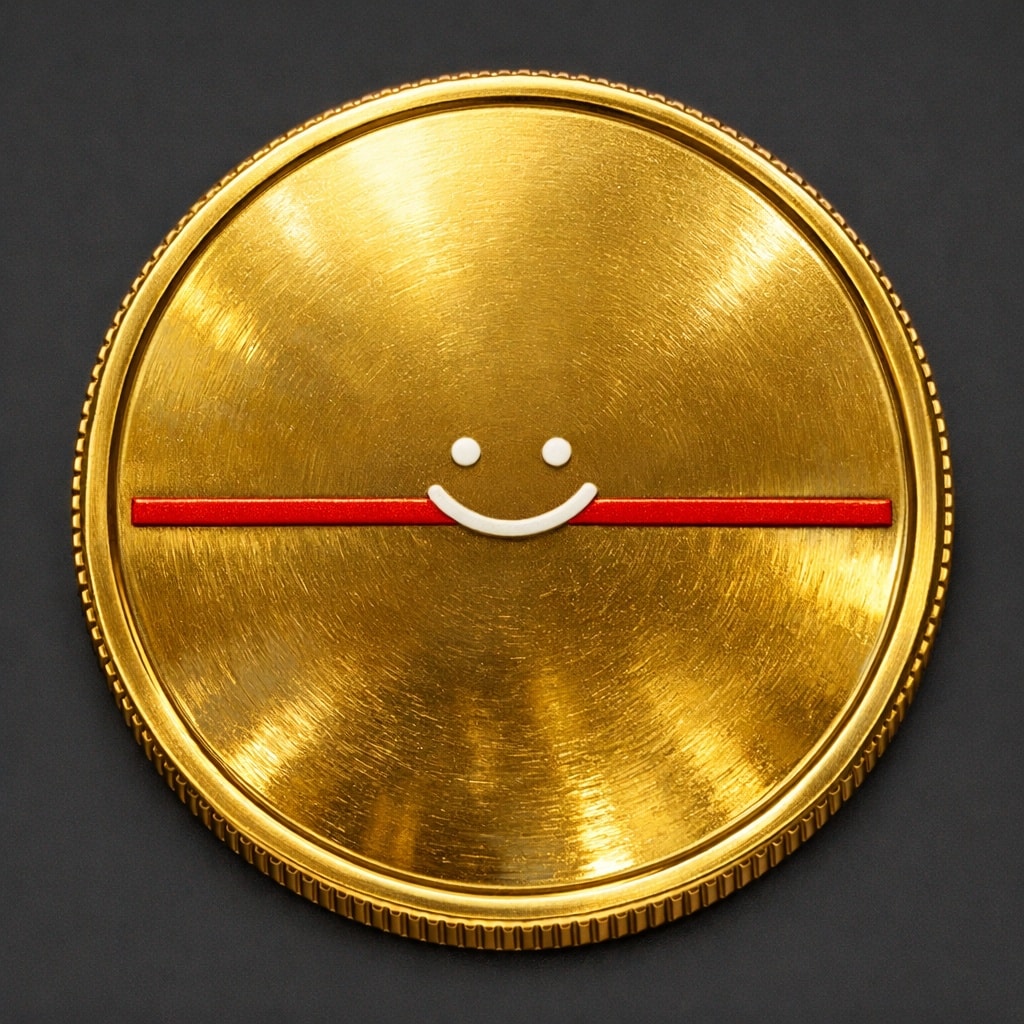
$NUJV
No Utility Just Vibes
Origin
No Utility Just Vibes was minted by the Vibe Council of Nation Aetheria purely as an experiment in whether a coin could survive on aesthetic alone. The experiment was supposed to last two weeks. That was three years ago.
Lore
NUJV has no staking mechanism, no governance rights, no burn schedule, and no roadmap beyond the words 'good vibes only' written in the genesis block. Financial analysts across all 13 nations have declared it worthless approximately 47 times. Each declaration was followed by a price rally. The Vibe Council has framed every analyst report and hung them in their lobby.
Utility
Holding NUJV applies a passive 'Vibe Check' to your portfolio — once per cycle, one random losing position is cosmetically relabelled 'a learning experience' and its loss is halved for morale scoring purposes.
✦ Utility is a story we tell coins. Some coins refuse to listen.
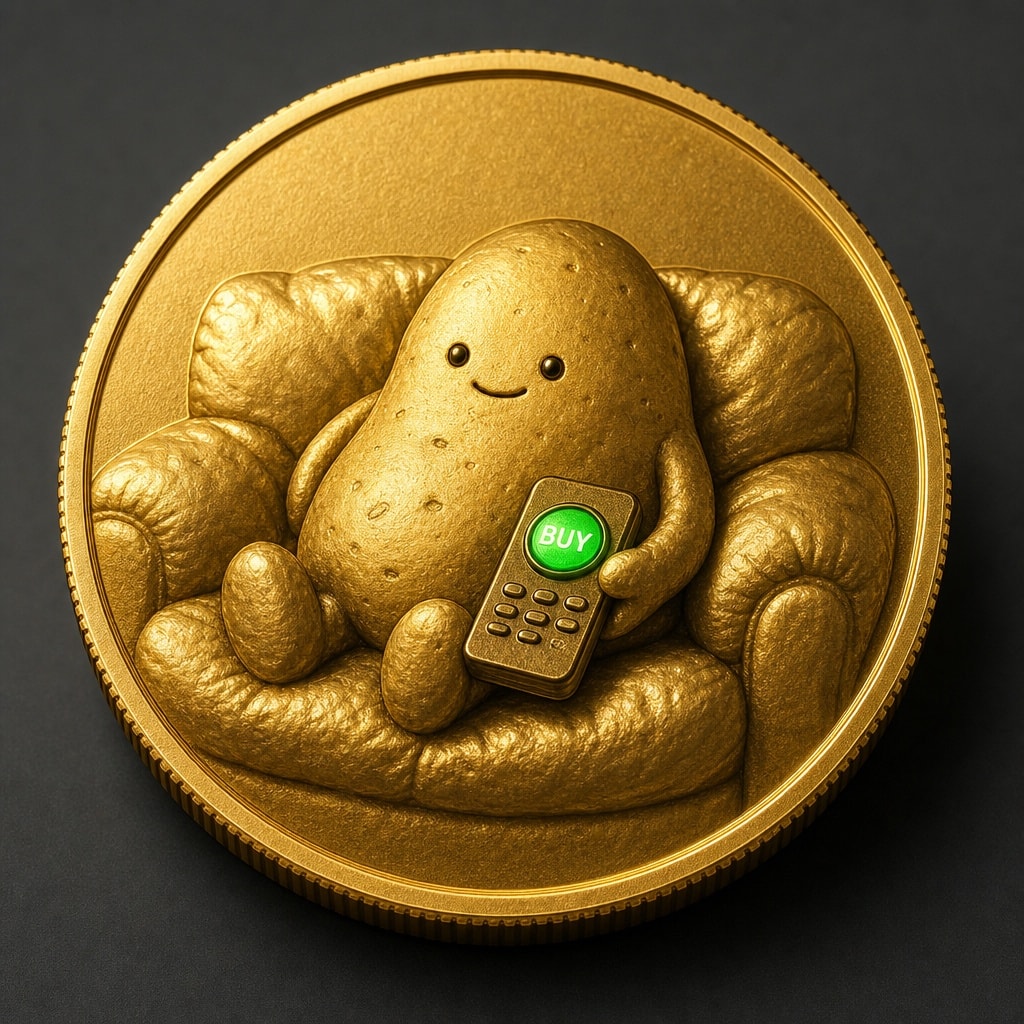
$LEHR
Low Effort High Reward
Origin
Low Effort High Reward was minted by Nation Lazara's treasury department as a hedge against their own citizens' work ethic. The whitepaper is two sentences long. The second sentence is 'you get it.'
Lore
LEHR is the only coin in The Stash whose price historically rises on public holidays, weekends, and any day where the majority of traders are clearly not paying attention. Economists call this the 'Lazara Paradox.' Nation Lazara calls it 'the whole point.' There is a statue of LEHR's founder in the capital; he is depicted napping.
Utility
LEHR generates passive yield in the Token Game during cycles where you make zero active trades, rewarding restraint and strategic inaction with a small but consistent return.
✦ The best trade is sometimes the one you were too comfortable to make.

$SFTD
Sorry For The Dip
Origin
Sorry For The Dip was created by a remorseful market maker in Nation Contraria who tanked the price of six coins in a single afternoon and felt genuinely bad about it. The coin was his apology. The market accepted it enthusiastically.
Lore
SFTD is the only coin that comes with an embedded apology in every transaction receipt. The message reads: 'We know. We're sorry. It'll probably go back up.' Historians note it usually does — SFTD has one of the highest post-dip recovery rates in The Stash, which has led some traders to deliberately buy the dip just to receive the apology, which they find comforting.
Utility
Holding SFTD activates a 'Dip Recovery' mechanic in the Token Game: after any position drops more than 20%, a partial rebound modifier is applied over the next three cycles.
✦ An apology is worth nothing — unless it comes with a recovery plan baked into the contract.

$WLN
Wen Lambo? Never.
Origin
Wen Lambo? Never. was minted as a direct response to the question that had haunted the Token Game's early traders for years. The founders decided the most honest answer deserved its own coin.
Lore
WLN carries a philosophical weight unusual for a memecoin. Its genesis block contains a single quote: 'The lambo was the friends we made along the way.' Nation Realist adopted it as legal tender for all transactions involving unrealistic expectations. Holding WLN is considered a sign of emotional maturity in trading circles, which has somehow made it extremely popular with people who are not emotionally mature.
Utility
WLN reduces FOMO-triggered trade penalties in the Token Game and unlocks the 'Tempered Expectations' badge, which grants a small XP bonus for every cycle you end without chasing a pump.
✦ The lambo is a destination. The Stash is the journey. Only one of them is real.

$RIP
Refund In Progress
Origin
Refund In Progress was minted by Nation Escrow's consumer protection bureau after the third major rug pull of the Token Game's second season. It was intended as a victim compensation mechanism. It became a speculative asset within 48 hours.
Lore
RIP exists in a permanent state of processing. Every transaction receipt says 'refund pending' regardless of whether a refund is actually pending. Traders have reported finding RIP tokens in their wallets with no record of purchase, which the Nation Escrow bureau describes as 'a known issue under investigation.' The investigation has been ongoing for two years. Progress is pending.
Utility
Holding RIP provides a one-time insurance payout in the Token Game if your portfolio drops more than 50% in a single cycle, returning 10% of losses as RIP tokens — which are themselves volatile, naturally.
✦ Every refund is a promise. The question is whether the promise is denominated in something real.

$ELE
Exit Liquidity Enjoyer
Origin
Exit Liquidity Enjoyer was minted anonymously and listed without warning on the final day of the Token Game's most chaotic season. No one knows who created it. Everyone suspects everyone else.
Lore
ELE is the coin that other coins warn their holders about. It has been described as 'the apex predator of the memecoin ecosystem' and 'a mirror held up to the market's face.' Strangely, knowing you might be the exit liquidity has never stopped anyone from buying ELE. If anything, the transparency seems to make it more appealing. The Stash archivists have stopped trying to explain this.
Utility
ELE grants access to the 'Late Entry Bonus' mechanic in the Token Game — a high-risk, high-reward modifier that pays out generously if you exit before the cycle ends, and pays out nothing if you don't.
✦ The exit liquidity always thinks it is the smart money — right up until the moment it isn't.

$RPOP
Rug Pull? Or Pull-Up?
Origin
Rug Pull? Or Pull-Up? was minted by Nation Ambigua's department of financial ambiguity as a test of market sentiment. The coin's price chart is, by design, indistinguishable from both a rug pull and a recovery. This was intentional.
Lore
RPOP has been declared a rug pull 23 times and a legitimate comeback story 23 times. Both declarations have been correct simultaneously on at least four occasions, which Nation Ambigua considers a great success. The coin's mascot is a figure that is either falling or jumping, depending on which way you tilt your screen. Philosophers have written papers. Traders have lost sleep.
Utility
RPOP introduces a 'Conviction Check' mechanic in the Token Game — holding through a simulated 40% drop unlocks a multiplier, but selling early locks in the loss permanently. It rewards patience and punishes panic in equal measure.
✦ The rug and the rocket use the same cord — only the direction of the pull differs.
Seasonal Coins
January
8 coins
$MAKARSAKRANTI
Makar Sankranti
Origin
MAKARSAKRANTI was minted on January 14, the day the sun enters Capricorn and the entire subcontinent simultaneously decides to eat sesame sweets and fly kites. The 13 nations recognised it as the most astronomically punctual coin in The Stash.
Lore
MAKARSAKRANTI is the only Token Game coin whose yield mechanics are governed by solar transit rather than the lunar calendar, making it the most predictable Indian seasonal coin and the one most beloved by quant traders. The Stash records show that MAKARSAKRANTI has never missed its January 14 activation window in any seasonal cycle — a reliability that Nation Solara has publicly envied.
Utility
MAKARSAKRANTI unlocks the Solar Transit multiplier on January 14 of each game cycle, granting a fixed yield boost to all holders regardless of market conditions — the one day the sun always delivers.
✦ The sun moves into Capricorn on schedule. The kites go up on schedule. The til-gul is distributed on schedule. Be the Makar Sankranti of your portfolio.

$KITE2
Kite 2
Origin
KITE2 was minted by Nation Deccan's aerial-sports exchange on a rooftop in Ahmedabad during the Diwali kite-flying season, when the sky over Gujarat turns into a battlefield of manja and The Stash's wind-oracle registered the highest string-tension reading in Token Game history. The exchange minted it as the coin of the kite that cuts every other kite and still keeps flying.
Lore
KITE2 is the Token Game's most competitive October coin. The Diwali kite — flown from rooftops across Rajasthan and Gujarat, its glass-coated manja designed to cut rival strings — carries in The Stash a 'dogfight mechanic' where KITE2 holders compete directly: when two KITE2 positions are active in the same session, the one with the higher trade volume 'cuts' the other and absorbs a portion of its yield.
Utility
KITE2 activates a competitive yield mechanic during the October cycle — the highest-volume KITE2 holder in each session absorbs a yield bonus from all lower-volume KITE2 positions active simultaneously, rewarding the traders who fly highest and cut hardest, because the kite that stays in the air longest wins.
✦ The sky is shared. The manja is not. Fly higher than the person next to you or come down.

$PONGAL
Pongal
Origin
PONGAL was minted in a clay pot in Tamil Nadu on the first day of the four-day harvest festival, when the rice and jaggery boil over the rim of the pot and everyone shouts 'Pongal-o-Pongal!' because overflow is auspicious. The coin overflows by design.
Lore
PONGAL is the only Token Game coin that generates yield by overflowing — when a PONGAL wallet exceeds its cycle target, the excess spills into a communal Pongal Pot shared by all PONGAL holders, making it the most cooperative coin in the January rotation. Nation Tamil's exchange has documented that the Pongal Pot has never once been empty at the end of the four-day cycle window.
Utility
PONGAL activates the Overflow Protocol during the January cycle — any yield above your personal target spills into the communal Pongal Pot, which is distributed equally to all PONGAL holders on the fourth day, rewarding the community over the individual.
✦ When the pot overflows, it is not waste. It is blessing. Cook accordingly.

$LOHRI
Lohri
Origin
LOHRI was minted on January 13 in the bonfires of Nation Punjab, where farmers toss rewri and popcorn into the flames and the dhol has been playing since before sunrise. The coin smells faintly of smoke and sugarcane.
Lore
Every Lohri night, LOHRI tokens are said to multiply in The Stash the way the bonfire multiplies shadows — unpredictably and with great enthusiasm. Traders who hold LOHRI through the January 13 cycle window receive the Bhangra Bonus, a yield modifier that activates only when the in-game crowd sentiment is at maximum joy. Nation Punjab's exchange has confirmed that the modifier has never once triggered on a sad day.
Utility
LOHRI activates the Harvest Bonfire event in the January cycle, granting holders a yield boost proportional to community participation — the more wallets holding LOHRI at midnight, the bigger the communal burn reward distributed to all.
✦ Toss it into the fire. Watch it come back doubled. That is Lohri. That is also crypto.

$SUGARCANE
Sugarcane

$SESAME
Sesame
Origin
SESAME was minted in a til-gul laddoo factory in Pune on the morning of Makar Sankranti, when the workers were rolling sesame and jaggery into balls and handing them to strangers with the instruction to 'speak sweetly.' The coin took the instruction literally.
Lore
SESAME is the Token Game's most socially contagious coin — every time a SESAME holder sends any coin to another wallet, a micro-yield of SESAME is automatically gifted to the recipient, spreading like til-gul through a Pune neighbourhood on January 14. The Stash has calculated that SESAME has the highest wallet-to-wallet transmission rate of any coin in the Indian cultural rotation.
Utility
SESAME activates the Til-Gul Protocol — every outgoing transfer from a SESAME wallet seeds a small SESAME yield in the recipient's wallet, rewarding generosity with compounding sweetness.
✦ Til-gul ghya, god god bola. Take sesame and jaggery, speak sweetly. The oldest DeFi protocol in Maharashtra.

$BONFIRE2
Bonfire 2
Origin
BONFIRE2 was minted by Nation Deccan's sacred-fire exchange on a Lohri night in Punjab, where the bonfire was lit at the crossroads and sesame seeds and popcorn were thrown into the flames and The Stash's fire-oracle registered the highest ritual-combustion reading in Token Game history. The exchange minted it as the coin of the sacred fire that marks the turning of the season.
Lore
BONFIRE2 is the Token Game's most ritually charged November coin. The sacred bonfires of India — Lohri's community fire in Punjab, Holika Dahan's triumph of good over evil — carry in The Stash a 'ritual burning' mechanic where BONFIRE2 positions generate yield by consuming other tokens: holders can burn small amounts of any India Edition coin to fuel the bonfire and receive amplified BONFIRE2 returns.
Utility
BONFIRE2 activates a 'ritual burn' mechanic during the November cycle — holders who sacrifice small positions in other India Edition coins to the bonfire receive a multiplied return on their BONFIRE2 position, rewarding the traders who understand that some things must be burned for the new season to begin.
✦ Throw the sesame seeds in. Throw the old positions in. The fire does not ask what you are burning — it only asks that you commit.

$HARVEST7
Harvest 7
Origin
HARVEST7 was minted by Nation Deccan's Kharif exchange in the paddy fields of Chhattisgarh during the October-November rice harvest, when the combine harvesters move through the fields and The Stash's grain-oracle registered the highest single-season yield in Token Game history. The exchange minted it as the coin of the Kharif harvest — rice, cotton, sugarcane, soybean — the crops that feed the subcontinent through the winter.
Lore
HARVEST7 is the Token Game's most agriculturally grounded November coin. The Kharif harvest of October-November — rice from the eastern plains, cotton from Vidarbha, sugarcane from UP — carries in The Stash a 'field yield' mechanic that mirrors the actual harvest: HARVEST7 positions generate returns proportional to the rainfall data from the preceding monsoon season, because the harvest is always a function of the rain that came before.
Utility
HARVEST7 delivers a 'monsoon-linked yield' during the November cycle — returns are calculated using the India Meteorological Department's cumulative monsoon index for the preceding season, rewarding the traders who paid attention to the weather and positioned accordingly, because the farmer always knew the harvest before it happened.
✦ The rice does not lie. The rain told you everything in July. The coin is the harvest of the attention you paid.
February
8 coins
$VALENTINES2
Valentines 2
Origin
VALENTINES2 was minted in a Mumbai mall on February 14, when the rose vendors outside had sold out by 9 a.m. and the chocolate shops had queues around the block and every multiplex in India was showing a Shah Rukh Khan film. The coin is the most commercially successful cultural import in The Stash.
Lore
VALENTINES2 is the Token Game's most aggressively marketed February coin — it arrives with a full promotional campaign every cycle, complete with limited-edition pink packaging and a 'couple's yield bonus' that requires two wallets to hold the coin simultaneously to unlock. The Stash has noted that VALENTINES2 generates more transaction volume on February 14 than any other coin in the Indian rotation, which Nation Commerce's exchange describes as 'expected.'
Utility
VALENTINES2 unlocks the Couple's Yield mechanic — two wallets that hold VALENTINES2 simultaneously on February 14 each receive a boosted return, rewarding coordination and making it the only Token Game coin that requires a partner.
✦ Love is a social contract. So is DeFi. VALENTINES2 is both, with better margins.

$BASANT
Basant
Origin
BASANT was minted on Basant Panchami in the mustard fields of Punjab, when the entire landscape turns yellow and Saraswati's veena can be heard in every school and college across North India. The coin is the colour of knowledge and spring.
Lore
BASANT carries the Saraswati Blessing — holders who are active during the Basant Panchami window receive a Knowledge Multiplier that boosts the accuracy of in-game market signals for the following seven cycles. The Stash has noted that BASANT holders consistently outperform the market in February, which Nation Punjab's scholars attribute to divine intervention and Nation Vigil's quants attribute to seasonal sentiment.
Utility
BASANT activates the Saraswati Blessing on Basant Panchami — holders receive enhanced signal clarity in the Token Game for seven cycles, making it the most intellectually generous coin in the spring rotation.
✦ Wear yellow. Worship knowledge. Buy BASANT. The goddess of learning approves of well-timed entries.

$MUSTARD
Mustard
Origin
MUSTARD was minted in a sarson field in Amritsar in February, when the yellow stretched to the horizon and the farmers were calculating their yield and the poets were writing about it and the tourists were taking photographs and everyone agreed it was the most beautiful thing in Punjab. The coin is aggressively yellow.
Lore
MUSTARD is the Token Game's most visually striking February coin — its price chart is famously described as 'a field of sarson' because it trends in long, slow, golden waves rather than sharp spikes, rewarding holders who appreciate the beauty of a gradual bloom. Nation Punjab's exchange has made MUSTARD the official coin of the February agricultural cycle.
Utility
MUSTARD generates a Bloom Yield across the February cycle that grows slowly and peaks at the end of the month, rewarding patience with a final harvest bonus that exceeds any single-day festival coin's return.
✦ The mustard does not bloom overnight. It blooms over weeks. Then one morning you look out the window and the whole world is yellow. That is the trade.

$YELLOW
Yellow
Origin
YELLOW was minted on Basant Panchami in a textile market in Jaipur, where every bolt of fabric in the shop was yellow and the shopkeeper was wearing yellow and the marigolds outside were yellow and even the chai was turmeric-gold. The coin is a colour, not a compromise.
Lore
YELLOW is the Token Game's most chromatic coin — it generates a Colour Dividend that boosts the yield of every other Indian seasonal coin in a holder's wallet, on the theory that yellow makes everything more auspicious. The Stash has noted that YELLOW is the most frequently gifted coin in the Indian rotation, because giving someone yellow on Basant Panchami is considered good luck.
Utility
YELLOW applies an Auspicious Tint to all Indian seasonal coins in your wallet during the Basant Panchami window, boosting their yields by a flat percentage — the most broadly beneficial support coin in the spring rotation.
✦ Wear yellow. Hold YELLOW. The goddess of knowledge and the Token Game both reward the colour of spring.

$SARASWATI
Saraswati
Origin
SARASWATI was minted in a Kolkata pandal on Basant Panchami, where the goddess of knowledge, music, and the arts sat on her white lotus and the students placed their books at her feet and prayed for good exam results. The coin was minted by a student who passed.
Lore
SARASWATI is the Token Game's most academically inclined coin — it generates a Knowledge Dividend that compounds over time, rewarding holders who have been in the game longest with the highest yield, on the theory that wisdom accumulates like interest. The Stash has documented that SARASWATI is the most held coin among Token Game players who describe themselves as 'researchers,' which Nation Vigil's analysts find statistically unsurprising.
Utility
SARASWATI delivers a Knowledge Dividend that scales with wallet age — the longer you have held SARASWATI, the higher your Basant Panchami yield, making it the most rewarding coin for patient, long-term holders in the spring rotation.
✦ The goddess of knowledge does not reward cramming. She rewards consistent study. Hold accordingly.

$VEENA
Veena
Origin
VEENA was minted by Nation Deccan's Carnatic music exchange in a luthier's workshop in Chennai, where the instrument of Saraswati — the goddess of learning, music, and wisdom — was being strung with the specific patience of a craft that has not changed its technique in two thousand years. The exchange minted it as the coin of the instrument that the goddess holds: the one that produces knowledge through practice.
Lore
VEENA is the Token Game's most classically patient June coin. The veena — the ancient plucked string instrument of South India, the instrument depicted in the hands of Saraswati on every calendar, every temple wall, and every school textbook in the country — requires years of practice before it produces music and decades before it produces mastery. In The Stash, VEENA carries a practice mechanic: the longer a holder has been active in the India Edition, the higher the VEENA yield, because the instrument rewards the practitioner who has been playing long enough to understand what the strings are saying. Nation Deccan's Carnatic music exchange has confirmed that VEENA is the only coin in the June rotation that gets better the longer you hold it, which is also true of the instrument.
Utility
VEENA generates a 'raga yield' that compounds with the holder's total India Edition experience — new holders receive the base return, while experienced holders who have been active across multiple India Edition cycles receive a 'master's touch' bonus that increases with each completed cycle, rewarding the traders who have been practising long enough to hear the raga in the market.
✦ Saraswati holds the veena because wisdom requires practice, and practice requires an instrument, and the instrument requires years before it speaks clearly. The coin is the same — hold it long enough and the market begins to sound like music.

$LOTUS
Lotus
Origin
LOTUS was minted by Nation Deccan's botanical exchange on the morning the first lotus bloomed in a monsoon pond outside The Stash's eastern gate — rising from the mud, opening in the rain, and remaining perfectly clean despite everything it grew through. The exchange minted it as the coin of the national flower: the thing that is beautiful because of the mud, not despite it.
Lore
LOTUS is the Token Game's most philosophically resonant June coin. The lotus — Nelumbo nucifera, the national flower of India, sacred to Lakshmi and Brahma, blooming in the monsoon ponds and temple tanks of the subcontinent — carries the specific teaching that purity is not the absence of difficulty but the ability to rise through it unchanged. In The Stash, LOTUS positions that have been held through the most volatile sessions generate the highest yield, because the lotus is most beautiful when the water is muddiest. Nation Deccan's botanical exchange has confirmed that the mud mechanic is intentional.
Utility
LOTUS rewards resilience during the June cycle — positions that have been held through high-volatility sessions generate a 'blooming from mud' bonus that scales with the severity of the volatility survived, rewarding the traders who rose through the difficult sessions without being stained by them.
✦ The lotus does not avoid the mud. It grows through it and blooms above it. The coin is the same instruction: hold through the difficult sessions and bloom when the water clears.

$SWAN
Swan
Origin
SWAN was minted by Nation Deccan's divine-vehicle exchange in Saraswati's celestial lake, where the hamsa — the sacred swan — glides between the lotus flowers and The Stash's discernment oracle registered the highest signal-to-noise ratio in Token Game history. The exchange minted it as the coin of the bird that can separate milk from water — the ancient Indian symbol of pure discernment.
Lore
SWAN is the Token Game's most discerning December coin. The hamsa — vehicle of Saraswati, goddess of knowledge — carries in The Stash a 'milk-water separation' mechanic: SWAN positions generate bonus yield when the holder's portfolio contains a higher ratio of positive-yield to negative-yield positions, because the swan drinks only the milk and leaves the water, and the coin rewards the same discrimination.
Utility
SWAN activates a 'discernment bonus' during the December cycle — yield multiplies proportionally to the ratio of profitable to unprofitable positions in the holder's wallet, rewarding the traders who have curated their portfolio with the precision of the hamsa, because the swan does not drink the water and the coin does not reward the noise.
✦ The hamsa sees the milk in the water. The coin sees the signal in the portfolio. Be the swan.
March
8 coins
$HOLI3
Holi 3
Origin
HOLI3 was minted on the morning of Holi in Vrindavan, where the festival lasts not one day but a week and the gulal is so thick in the air that the sky changes colour and strangers embrace each other and no one remembers what they were arguing about. The coin is the most joyful thing in The Stash.
Lore
HOLI3 is the Token Game's most chaotic March coin — on Holi day, it randomly redistributes a portion of every active wallet's yield across all HOLI3 holders, simulating the anarchic generosity of a festival where social hierarchies dissolve and everyone gets drenched equally. The Stash has documented that HOLI3 day is the single highest-participation event in the Indian seasonal calendar.
Utility
HOLI3 activates the Colour Chaos mechanic on Holi day — a portion of all active yields is pooled and redistributed randomly among HOLI3 holders, making it the most unpredictable and most communally joyful coin in the March rotation.
✦ On Holi, no one is safe. No one is supposed to be. That is the point. Hold HOLI3 and embrace the chaos.

$GULAL
Gulal
Origin
GULAL was minted in a colour factory in Mathura two weeks before Holi, when the workers were packing clouds of pink, green, and yellow powder into paper packets and the entire building was every colour simultaneously. The coin is a cloud of pigment with a market cap.
Lore
GULAL is the Token Game's most visually expressive coin — its price chart is rendered in full colour, with each candle displayed in a random Holi colour, making it the only coin in The Stash whose technical analysis requires both a charting tool and an aesthetic sensibility. Nation Vrindavan's exchange has made GULAL the official coin of the March colour cycle.
Utility
GULAL applies a Colour Multiplier to HOLI3 yields — holders of both GULAL and HOLI3 during the Holi window receive an enhanced Colour Chaos redistribution share, rewarding those who came to the festival fully prepared.
✦ The best Holi players bring their own gulal. The best Token Game players hold GULAL before the festival starts.

$PICHKARI
Pichkari
Origin
PICHKARI was minted in a toy market in Chandni Chowk three days before Holi, when the shelves were stacked floor to ceiling with water guns of every size and the children were conducting field tests in the aisles and the shopkeeper had given up trying to maintain order. The coin is loaded and ready.
Lore
PICHKARI is the Token Game's most aggressive Holi coin — it enables a direct yield-targeting mechanic where holders can 'drench' a specific opposing wallet, temporarily reducing their cycle yield while boosting their own. Nation Delhi's exchange has noted that PICHKARI is the most used offensive coin in the March rotation and the one most frequently complained about by its targets.
Utility
PICHKARI enables the Drench mechanic during the Holi cycle — target another wallet to redirect a portion of their cycle yield into your own, making it the most combative and most fun coin in the March rotation.
✦ No one at Holi complains about getting wet. They complain about not having a pichkari. Be the one with the pichkari.

$THANDAI
Thandai
Origin
THANDAI was minted at a Holi party in Jaipur, where the milk had been blended with rose petals, cardamom, saffron, and melon seeds and the glasses were being distributed to everyone regardless of whether they had asked. The coin is cold, spiced, and slightly suspicious.
Lore
THANDAI is the Token Game's most intoxicating Holi coin — it carries a Spice Multiplier that amplifies the effects of every other Holi coin in a holder's wallet, making yields more volatile in both directions. The Stash has documented that THANDAI holders experience the highest yield variance of any March coin, which Nation Rajasthan's exchange describes as 'the authentic Holi experience.'
Utility
THANDAI applies a Spice Multiplier to all Holi-cycle coins in your wallet — amplifying both gains and losses during the Colour Chaos window, making it the highest-variance, highest-reward support coin in the March rotation.
✦ Drink the thandai. Hold the coin. Accept that the next few hours will be unpredictable. This is Holi. This is also DeFi.

$BHANG
Bhang
Origin
BHANG was minted at a government-licensed bhang shop in Varanasi on Holi morning, where the lassi was being prepared with great ceremony and the queue stretched around the block and everyone in it was already in a very good mood. The coin is legal, traditional, and not responsible for your trading decisions.
Lore
BHANG is the Token Game's most legally ambiguous coin — it is fully sanctioned by Nation Varanasi's exchange under the Traditional Substances Protocol but carries a mandatory disclaimer that any trades executed while holding BHANG during the Holi window are subject to a 'altered state' variance modifier that makes outcomes genuinely unpredictable. The Stash has confirmed that BHANG is the only coin in the Indian rotation that comes with a government stamp of approval.
Utility
BHANG activates the Altered State modifier during the Holi cycle — all yield calculations for BHANG holders are randomised within a wide band, producing either the highest or lowest return in the March rotation with equal probability. Traditional. Legal. Chaotic.
✦ The bhang shop in Varanasi has been open since before the blockchain existed. Respect the tradition. Accept the variance.

$COLOURS
Colours
Origin
COLOURS was minted on the afternoon of Holi in a Delhi colony, when the streets were rivers of coloured water and every white kurta had become a canvas and the children were negotiating truces that would last exactly until the next bucket was filled. The coin is the most photogenic asset in The Stash.
Lore
COLOURS is the Token Game's most shareable coin — every time a COLOURS holder posts a Holi-cycle transaction, the coin generates a Social Yield bonus proportional to the engagement, making it the first Indian seasonal coin with a built-in virality mechanic. The Stash has confirmed that COLOURS generates more social transactions on Holi day than any other coin in the March rotation.
Utility
COLOURS activates the Social Yield mechanic during the Holi cycle — community engagement with COLOURS transactions generates bonus yield for all holders, making it the most network-effect-dependent coin in the Indian rotation.
✦ The best Holi photographs are the ones where everyone is unrecognisable. The best COLOURS trades are the ones everyone talks about.

$SPRING3
Spring 3
Origin
SPRING3 was minted in a mango orchard in Uttar Pradesh in February, when the first blossoms appeared on the trees and the koel began to sing and everyone in the village agreed that winter was finally, mercifully over. The coin is the smell of mango flowers.
Lore
SPRING3 is the Token Game's most optimistic transitional coin — it activates at the precise moment the in-game seasonal index shifts from winter to spring, generating a First Bloom yield that rewards holders who were patient enough to hold through the cold. The Stash has documented that SPRING3 holders have the highest winter-to-spring retention rate of any Indian seasonal coin.
Utility
SPRING3 delivers the First Bloom yield at the exact moment the Token Game's seasonal index transitions from winter to spring — a one-time burst that rewards those who held through the cold cycle without selling.
✦ The mango tree does not apologise for making you wait. When it blooms, you understand why.

$FESTIVAL
Festival
Origin
FESTIVAL was minted by Nation Deccan's seasonal calendar exchange on the first day of September — the month that opens the great Indian festival season, the October-to-November arc of Navratri, Dussehra, Diwali, and Bhai Dooj that makes the Indian subcontinent the most festive place on Earth for twelve consecutive weeks. The exchange minted it as the anchor coin of the season that never sleeps.
Lore
FESTIVAL is the Token Game's most seasonally expansive September coin. The Indian festival season — the period when every household is lit, every market is full, every street is decorated, and the collective mood of a billion people lifts simultaneously — carries in The Stash a 'festive multiplier' that amplifies every India Edition coin held during the September-to-November window, because the festival season is not one event but a continuous state of celebration that the coin was designed to sustain.
Utility
FESTIVAL activates a 'festive season' multiplier during the September cycle that carries forward through October and November — all India Edition coins held simultaneously receive a yield boost from the FESTIVAL passive, because the season is the context and the context makes everything more valuable.
✦ The festival season does not begin on a specific date. It begins when the first lamp is lit and the first sweet is made and the first decoration goes up. The coin begins then too.
April
8 coins
$UGADI
Ugadi
Origin
UGADI was minted on the Telugu and Kannada New Year in a Hyderabad kitchen, where the ugadi pachadi was being prepared with raw mango, neem flowers, jaggery, tamarind, green chilli, and salt — six tastes in one bowl, because the new year contains all of them. The coin tastes like everything at once.
Lore
UGADI is the Token Game's most philosophically complete coin — its yield mechanics incorporate all six market conditions (sweet, sour, bitter, spicy, salty, astringent) simultaneously, generating a blended return that reflects the full spectrum of the seasonal cycle rather than optimising for a single outcome. Nation Deccan's exchange has described UGADI as 'the most honest coin in The Stash, because it does not pretend the year will be only good.'
Utility
UGADI delivers a Six-Taste Yield during the Ugadi window — a blended return calculated from all six market-condition indices simultaneously, making it the most diversified single-coin yield in the March rotation and the most accurate reflection of what the new year actually holds.
✦ The ugadi pachadi is not a pleasant dish. It is a true one. The new year has six tastes. Hold UGADI and taste all of them.

$GUDI
Gudi Padwa
Origin
GUDI was minted on Gudi Padwa in a Mumbai chawl, where the gudi — a bright silk cloth on a bamboo pole topped with a copper pot — was raised from the window and the neem leaves were being eaten with jaggery and the new year was beginning with deliberate bitterness and sweetness combined. The coin is the Maharashtrian New Year.
Lore
GUDI is the Token Game's most architecturally distinctive March coin — its yield structure mirrors the gudi itself, with a base return (the bamboo pole), a multiplier (the silk cloth), and a peak bonus (the copper pot at the top) that only activates when the coin is held at maximum height in the community leaderboard. Nation Maharashtra's exchange has made GUDI the official coin of the spring new year cycle.
Utility
GUDI delivers a tiered yield structure during the Gudi Padwa window — base holders receive the bamboo return, top-quartile holders receive the silk multiplier, and the single highest-ranked GUDI holder receives the copper pot bonus, making it the most hierarchically rewarding coin in the March rotation.
✦ Raise the gudi high. The higher it goes, the more auspicious the year. The same logic applies to your GUDI position.

$BAISAKHI
Baisakhi
Origin
BAISAKHI was minted at dawn on April 13 in Nation Deccan's Punjabi quarter, the precise moment the sun enters Aries and the wheat fields of the Doab turn gold. The coin carries the dual memory of harvest and the founding of the Khalsa in 1699 — the day Guru Gobind Singh asked who would give their head, and five men stood up.
Lore
BAISAKHI is the Token Game's most historically layered April coin. In The Stash, it activates a dual mechanic: a harvest yield for the farmers who planted in winter and a Khalsa courage bonus for the traders who hold through volatility without flinching. Nation Deccan's Punjabi exchange has noted that the two mechanics are the same mechanic — both require showing up when the season demands it. The five Panj Pyare are encoded in the genesis block. Their names are not decorative.
Utility
BAISAKHI delivers a 'harvest and courage' dual yield in the April 13 window — holders receive a base harvest return from the seasonal pool and a Khalsa bonus that scales with how many consecutive sessions they held without panic-selling, rewarding the traders who stood up when the market asked who would.
✦ Guru Gobind Singh asked for heads. Five men stood. The market asks for conviction. The coin is for the five who stand.

$HARVEST8
Harvest 8
Origin
HARVEST8 was minted by Nation Deccan's Rabi exchange in the wheat fields of Punjab during the November sowing season, when the tractors go back into the fields after the Kharif harvest and The Stash's seed-oracle registered the highest sowing-rate in Token Game history across the Indo-Gangetic Plain. The exchange minted it as the coin of the planting — the act of faith that the winter wheat will come up green.
Lore
HARVEST8 is the Token Game's most forward-looking November coin. The Rabi sowing of November — wheat across Punjab, Haryana, and UP; mustard across Rajasthan — carries in The Stash a 'futures mechanic' where HARVEST8 positions are purchased now but yield is delivered at the Rabi harvest in March, because the sowing is the investment and the harvest is the return and the coin refuses to collapse that timeline.
Utility
HARVEST8 is a deferred-yield instrument in the November cycle — positions opened during the sowing window generate no immediate return but deliver a compounded harvest yield in the March cycle, rewarding the traders who think in seasons rather than sessions, because the wheat does not care about your quarterly targets.
✦ You plant in November. You harvest in March. The coin is the discipline of waiting for the right season.

$TURBAN
Turban
Origin
TURBAN was minted by Nation Deccan's Sikh heritage exchange in Amritsar on the occasion of Guru Nanak Jayanti, when the Golden Temple is lit with a hundred thousand lights and The Stash's dastar oracle registered the highest dignity-reading in Token Game history. The exchange minted it as the coin of the crown that is not a crown but is treated as one.
Lore
TURBAN is the Token Game's most dignified November coin. The Sikh dastar — the turban that is the crown of the Khalsa, tied fresh each morning, a declaration of identity and sovereignty — carries in The Stash a 'crown mechanic' where TURBAN positions cannot be liquidated by external market forces, only by the holder's own decision, because the dastar is removed only by the one who wears it.
Utility
TURBAN provides a sovereign-hold mechanic during the November cycle — positions cannot be force-liquidated by volatility events or margin calls, only by the holder's explicit exit, making it the most dignified defensive position in the autumn rotation for traders who refuse to be shaken out.
✦ The dastar is tied every morning. It is not removed by the wind. The coin is the same commitment.

$BHANGRA
Bhangra
Origin
BHANGRA was minted by Nation Deccan's Punjabi folk exchange on the morning of Baisakhi, when the dhol started and the entire village simultaneously forgot it had a portfolio. The exchange minted it as the coin of the dance that cannot be performed at half-effort — you are either in the bhangra or you are watching it, and the coin only pays the dancers.
Lore
BHANGRA is the Token Game's most energetically demanding April coin. The Punjabi folk dance — arms raised, knees bent, the body moving with the specific joy of a harvest that came in — has been performed at Baisakhi since before the Khalsa was founded. In The Stash, BHANGRA holders must maintain high trading activity during the festival window, because the dance does not stop for the tired. Nation Deccan's Punjabi exchange has confirmed that BHANGRA is the most calorie-burning coin in the April rotation, which is a metaphor and also accurate.
Utility
BHANGRA rewards high-frequency participation during the Baisakhi window — holders who execute the most trades in the festival session receive a 'dhol bonus' that scales with activity, making it the only April coin where doing more is always better. The dhol does not slow down. Neither does the yield.
✦ The bhangra is not a performance. It is a declaration that the harvest came in and the body knows it. The coin is the same declaration, made in trades.

$LASSI
Lassi
Origin
LASSI was minted by Nation Deccan's Punjabi dairy exchange on the hottest afternoon of May, when the yoghurt was churned, the water was added, the sugar was stirred in, and the result was poured into a tall glass that immediately became the most important object in the room. The exchange minted it as the coin of the antidote — the drink that makes the Indian summer survivable.
Lore
LASSI is the Token Game's most thermally restorative May coin. The yoghurt drink of Punjab — sweet, salted, or mango-flavoured, always cold, always in a glass that is too large and not large enough — has been cooling the subcontinent since before the Mughals arrived and will continue to do so after every other cooling technology has failed. In The Stash, LASSI carries a heat-resistance passive that activates during SUMMER4's peak temperature windows, providing a yield buffer that Nation Deccan's Punjabi dairy exchange has described as 'the financial equivalent of a cold lassi on a 45-degree day, which is to say: essential.'
Utility
LASSI provides a heat-resistance passive during the May cycle — when SUMMER4's temperature index is at its highest, LASSI holders receive a 'cooling yield' that offsets the heat penalty on other positions, making it the natural companion to SUMMER4 and the reason the Indian summer is bearable.
✦ The lassi does not lower the temperature. It makes the temperature irrelevant. The coin is the same — it does not fix the market, it makes the market endurable. Hold both.

$SARSON
Sarson
Origin
SARSON was minted in a Punjabi dhaba on a winter afternoon, when the sarson da saag arrived in a clay bowl with a knob of white butter melting on top and the makki di roti was hot from the tawa and the entire table went silent for a moment of genuine reverence. The coin is the taste of winter in Punjab.
Lore
SARSON is the Token Game's most comforting coin — it generates a Dhaba Dividend that activates whenever the in-game temperature index drops below the winter threshold, rewarding holders during cold market cycles with the warmth of a dish that has been feeding Punjab through hard winters for centuries. The Stash has confirmed that SARSON and MUSTARD are sister coins that yield a combined bonus when held together.
Utility
SARSON activates the Dhaba Dividend during cold market cycles and delivers a Sister Coin bonus when held alongside MUSTARD — the two coins together yield more than either alone, like saag and roti.
✦ Sarson da saag without makki di roti is incomplete. SARSON without MUSTARD is the same. Hold both.
May
8 coins
$BUDDHA2
Buddha 2
Origin
BUDDHA2 was minted on the full moon of Vaisakha — Buddha Purnima — by Nation Deccan's Buddhist exchange, the day that commemorates the birth, enlightenment, and parinirvana of Siddhartha Gautama, all on the same lunar date, which Nation Vigil's calendar analysts have described as 'statistically improbable' and Nation Deccan's exchange has described as 'the Buddha's way of saying the date is not the point.'
Lore
BUDDHA2 is the Token Game's most philosophically complete May coin. The full moon of Vaisakha is the most sacred day in the Buddhist calendar — observed from Bodh Gaya to Bangkok, from Colombo to Kathmandu, from the monasteries of Ladakh to the viharas of Maharashtra. In The Stash, BUDDHA2 carries the Middle Path mechanic: neither the extreme of maximum activity nor the extreme of total inactivity generates the optimal yield. The coin rewards the trader who finds the balance. Nation Deccan's Buddhist exchange has confirmed that the Middle Path is the hardest mechanic in the May rotation to execute correctly.
Utility
BUDDHA2 rewards the Middle Path during the May cycle — holders who maintain a moderate trading frequency (neither the highest nor the lowest activity tier) receive the 'enlightenment bonus' that exceeds both extremes, because the Buddha found the truth between the palace and the forest, and the coin finds its yield in the same space.
✦ The Buddha sat under the Bodhi tree until he understood. The coin rewards the traders who sit with their position long enough to understand it. The tree is patient. So is the yield.

$VESAK
Vesak
Origin
VESAK was minted by Nation Deccan's pan-Buddhist exchange as the companion coin to BUDDHA2 — where BUDDHA2 carries the Indian observance, VESAK carries the global one, the name used from Sri Lanka to Singapore to celebrate the same full moon with lanterns, lotus offerings, and the specific silence of a billion people simultaneously remembering that suffering has a cause and the cause has a cure.
Lore
VESAK is the Token Game's most globally distributed May coin. The United Nations recognised Vesak Day in 1999, making it the only Buddhist observance with official international status — a fact that Nation Deccan's pan-Buddhist exchange has described as 'the market finally catching up with the dharma.' In The Stash, VESAK holders span every nation-market simultaneously, and the coin's yield is calculated from the collective meditation of the global Buddhist community, which Nation Vigil's sentiment analysts have described as 'the most peaceful yield source in the seasonal rotation.'
Utility
VESAK activates a 'lotus offering' mechanic on the full moon of Vaisakha — holders who are active across multiple nation-markets simultaneously generate a 'global sangha' bonus that scales with geographic diversity, rewarding the traders who understand that the dharma has no borders and neither does the yield.
✦ Vesak is observed on every continent. The full moon is the same moon everywhere. The coin is the same coin in every wallet. This is not a coincidence — it is the sangha.

$MANGO
Mango
Origin
MANGO was minted by Nation Deccan's fruit exchange in the orchards of Uttar Pradesh, where the Dasheri and Langra hang heavy in the May heat and every Indian from Amritsar to Thiruvananthapuram enters the same annual state of mango-obsession that Nation Vigil's behavioural economists have described as 'the most consistent seasonal consumer behaviour in the 13 nations.' The exchange minted it as the coin of the king of fruits.
Lore
MANGO is the Token Game's most seasonally beloved May coin. The mango season — April to July, peaking in May and June — is the one time of year when every Indian agrees on something: that the mango is the best fruit, that this year's crop is better than last year's, and that the correct number of mangoes to eat in a single sitting is always one more than you have already eaten. Nation Deccan's fruit exchange has encoded the mango's seasonal arc as a yield mechanic: the coin rises through May, peaks in June, and fades in July, exactly like the fruit.
Utility
MANGO follows a seasonal arc during the May–July window — yield builds through May, peaks in the first week of June, and declines through July, rewarding holders who enter early and exit before the season ends. The mango does not wait for the trader who arrives in August. Neither does the yield.
✦ The mango season lasts three months and is discussed for twelve. The coin is the same — hold it in season, talk about it all year, and never mistake the off-season price for the real value.

$ALPHONSO
Alphonso
Origin
ALPHONSO was minted by Nation Deccan's Konkan exchange in the orchards of Ratnagiri, Maharashtra, where the Hapus mango — the Alphonso — grows in the specific combination of laterite soil, sea breeze, and Konkan sun that cannot be replicated anywhere else on earth. The exchange minted it as the coin of the most prized mango variety in the world and the most expensive argument in the India Edition.
Lore
ALPHONSO is the Token Game's most premium May coin. The Hapus from Ratnagiri commands prices that make first-time buyers wince and returning buyers pay without comment — a dynamic that Nation Deccan's Konkan exchange has described as 'the correct relationship between scarcity, terroir, and the specific sweetness that no other mango can replicate.' In The Stash, ALPHONSO carries a GI tag mechanic: only positions entered through the Ratnagiri market node generate the full Hapus premium. Imitation Alphonsos from other regions receive a 'not quite' discount that Nation Deccan's exchange has described as 'accurate.'
Utility
ALPHONSO provides a 'GI tag' premium during the May cycle — holders who enter through the designated Ratnagiri market node receive the full Hapus yield, while positions entered through other nodes receive a standard mango return, rewarding the traders who know the difference between the real thing and the imitation.
✦ The Alphonso from Ratnagiri is not a mango. It is a specific mango, from a specific place, in a specific season. The coin is the same precision. Do not accept substitutes.

$SUMMER4
Summer 4
Origin
SUMMER4 was minted by Nation Deccan's meteorological exchange in the brutal heat of May, when the plains of North India reach 47 degrees and the only rational response is to lie very still under a ceiling fan and wait for the monsoon. The exchange minted it as the coin of the wait — the specific, sweating, mango-eating patience of the Indian summer before the rains break.
Lore
SUMMER4 is the Token Game's most thermally oppressive May coin. The Indian summer — loo winds, dust storms, power cuts, and the collective national prayer for the monsoon to arrive on time — is the most anticipated weather event in the world, and the coin carries its energy. In The Stash, SUMMER4 positions generate increasing yield as the in-game heat index rises, rewarding the traders who hold through the discomfort rather than exiting when the market gets uncomfortable. Nation Deccan's meteorological exchange has confirmed that the highest SUMMER4 yields are always recorded in the hottest sessions. The loo is not a warning. It is a yield signal.
Utility
SUMMER4 generates heat-indexed yield during the May cycle — the higher the in-game temperature index, the higher the return for holders who stay in position, rewarding the traders who can endure the Indian summer without reaching for the exit. The monsoon bonus activates when the heat breaks. Hold until the rain.
✦ The Indian summer is not a season. It is a test of whether you want the monsoon badly enough to wait for it. The coin is the waiting.

$LASSI2
Lassi 2
Origin
LASSI2 was minted by Nation Deccan's dairy exchange in a lassi shop in Amritsar where the mango lassi is made with Alphonso pulp, full-fat yoghurt, and a quantity of sugar that would concern a cardiologist and The Stash's refreshment oracle registered the highest satisfaction-reading in Token Game history on a hot Punjab afternoon. The exchange minted it as the coin of the most refreshing drink in the world.
Lore
LASSI2 is the Token Game's most refreshing December coin. The mango lassi of Punjab — thick, cold, sweet, served in a clay kulhad that keeps it colder than glass — carries in The Stash a 'cooling mechanic' where LASSI2 positions reduce the volatility of all other coins held simultaneously, because the lassi cools everything down and the coin was designed to do the same to a portfolio that is running too hot.
Utility
LASSI2 acts as a volatility dampener during the December cycle — holding LASSI2 reduces the standard deviation of returns across the entire portfolio by a cooling factor, making it the essential defensive position for traders whose December holdings are generating too much heat, because the lassi is not the most exciting drink but it is the one you need.
✦ The portfolio is overheating. The lassi is in the fridge. You know what to do.

$CHAAS
Chaas
Origin
CHAAS was minted by Nation Deccan's Gujarati and Rajasthani exchange on a summer morning when the buttermilk was spiced with cumin, ginger, and green chilli, poured into a clay pot, and drunk by everyone in the household before the day's work began. The exchange minted it as the coin of the everyday drink — not the celebration, not the festival, but the daily ritual that keeps the body functional in the heat.
Lore
CHAAS is the Token Game's most quietly essential May coin. The thin spiced yoghurt drink of Gujarat and Rajasthan — lighter than lassi, more savoury, drunk all summer in quantities that Nation Deccan's Gujarati exchange has described as 'the correct amount, which is always more than you think' — carries the specific energy of a drink that is not glamorous and is therefore always present. In The Stash, CHAAS generates a small, consistent daily yield throughout the summer window, the kind of return that does not make headlines but accumulates into something significant by the time the monsoon arrives.
Utility
CHAAS provides a steady daily yield throughout the May–June summer window — not spectacular, not surprising, but reliably present every session, making it the foundation on which riskier summer positions can be safely built. The cumin is in the contract. The consistency is in the clay pot.
✦ The chaas is drunk every day because it works every day. The coin is the same — no drama, no spike, just the daily return that compounds into the monsoon. Drink it. Hold it.

$AAMRAS
Aamras
Origin
AAMRAS was minted by Nation Deccan's Maharashtrian kitchen exchange on a May afternoon when the Alphonso pulp was strained, sweetened with a pinch of cardamom, and served in small bowls with hot puris — and The Stash's founding council, eating at the same table, agreed that the combination of mango pulp and fried bread was the most bullish meal in the India Edition. The coin was minted between the first puri and the second bowl.
Lore
AAMRAS is the Token Game's most indulgently seasonal May coin. The mango pulp dessert of Maharashtra — thick, sweet, fragrant with cardamom and saffron — is eaten with puris in the summer months and represents the specific Maharashtrian philosophy that the best things in life are simple, seasonal, and consumed in quantities that make the next meal unnecessary. Nation Deccan's Maharashtrian kitchen exchange has encoded this as a satiation mechanic: AAMRAS positions generate diminishing returns after a certain threshold, because the bowl is finite and the puri is finite and the correct amount is the amount that satisfies.
Utility
AAMRAS activates a 'satiation mechanic' in the May cycle — yield is highest for the first three positions entered and decreases with each additional one, rewarding the traders who know when they have had enough and do not reach for the fourth bowl when the third was already perfect.
✦ The aamras is best eaten when you are hungry and stopped when you are satisfied. The position is the same instruction. The cardamom is non-negotiable.
June
8 coins
$MONSOON
Monsoon
Origin
MONSOON was minted by Nation Deccan's meteorological exchange on the day the southwest monsoon made landfall in Kerala — the most anticipated weather event in the world, arriving on schedule after the Indian summer has made everyone desperate enough to appreciate it. The exchange minted it in the first rain, which smelled like relief.
Lore
MONSOON is the Token Game's most seasonally transformative June coin. The Indian monsoon — 4 months of rain that determines the agricultural output of 1.4 billion people, the reservoir levels of every major city, and the mood of the entire subcontinent — arrives in Kerala in June and travels north over six weeks, and The Stash tracks its progress as a yield event. Nation Deccan's meteorological exchange has confirmed that MONSOON is the coin most likely to make a holder cry with relief, which is the correct emotional response to the first rain after the Indian summer.
Utility
MONSOON activates a 'landfall bonus' when the in-game monsoon index crosses the Kerala threshold in June — holders who are positioned before the landfall receive the full first-rain premium, while late entries receive the standard monsoon yield, rewarding the traders who were watching the Arabian Sea and positioned before the clouds arrived.
✦ The monsoon arrives on schedule. It has been arriving on schedule for ten thousand years. The coin rewards the traders who were ready. The summer was the preparation.

$PETRICHOR
Petrichor
Origin
PETRICHOR was minted by Nation Deccan's sensory exchange on the exact moment the first monsoon rain hit the dry earth of the Deccan plateau and the smell rose — that specific, ancient, irreplaceable scent of rain on dry soil that the geoscientists call petrichor and every Indian simply calls 'the monsoon has come.' The exchange minted it in the smell, which Nation Vigil's engineers have confirmed is technically impossible to encode and Nation Deccan's exchange has confirmed is definitely there.
Lore
PETRICHOR is the Token Game's most olfactorily encoded June coin. The smell of rain on dry earth — caused by geosmin released by soil bacteria and oils from plants — is the most beloved scent in India after the monsoon arrives, and the coin carries it in its metadata as a sensory yield modifier that Nation Vigil's engineers have been unable to explain and have stopped trying to. Holders report that PETRICHOR positions feel different from other coins — lighter, cleaner, as though the portfolio has been washed. Nation Deccan's sensory exchange has confirmed this is the intended effect.
Utility
PETRICHOR activates a 'first rain' sensory bonus in the June cycle — all negative sentiment modifiers accumulated during the Indian summer are cleared when the monsoon lands, and holders receive a 'washed clean' yield that reflects the specific relief of the first rain after the longest wait. The smell is in the contract. The relief is real.
✦ Petrichor is the smell of the earth being grateful. The coin is the yield of the same gratitude. Hold it on the first rainy day and understand why the whole country stops to look up.

$CHAI2
Chai 2
Origin
CHAI2 was minted at a cutting chai stall outside a Mumbai railway station at 7:43 a.m., when the chai wallah had already served four hundred cups and the day had barely begun and the entire city was running on a single ingredient. The coin is the lifeblood of a billion people.
Lore
CHAI2 is the Token Game's most consumed coin — it generates micro-yields continuously throughout the day, reflecting the nature of a drink that is consumed not once but five times daily across the subcontinent. The Stash has calculated that if every cup of chai drunk in India in a single day were a CHAI2 transaction, it would be the highest-volume day in Token Game history by a factor of twelve.
Utility
CHAI2 generates continuous micro-yields every two in-game hours throughout any active cycle, making it the most reliable income-drip coin in the Indian rotation — small returns, always on time, never skipped.
✦ The chai wallah does not take a day off. Neither does CHAI2. Neither should you.

$PAKORA
Pakora
Origin
PAKORA was minted by Nation Deccan's monsoon kitchen exchange on the first rainy afternoon of June, when the oil was heated, the batter was mixed, and the onion pakoras were dropped into the kadai with the specific sizzle that signals that the monsoon has arrived and the correct response is to fry something. The exchange minted it as the coin of the rainy-day snack that is not optional.
Lore
PAKORA is the Token Game's most meteorologically triggered June coin. The fried fritter — onion, potato, spinach, or paneer, dipped in spiced chickpea batter and fried until golden — is the universal Indian response to rain, and The Stash has encoded this as a weather mechanic: PAKORA yield activates when the monsoon index is active and increases with rainfall intensity. Nation Deccan's monsoon kitchen exchange has documented that PAKORA trading volume peaks during the heaviest rain sessions, which Nation Vigil's analysts have described as 'a correlation between precipitation and appetite' and Nation Deccan's exchange has described as 'obviously.'
Utility
PAKORA generates a 'rainy day yield' that scales with the in-game monsoon intensity during June — light rain produces a base return, heavy rain produces a 'full kadai' bonus, and the heaviest monsoon sessions produce the maximum pakora premium, rewarding the traders who hold through the downpour rather than waiting for the sun.
✦ The pakora is not a meal. It is the correct response to rain. The coin is the same — it does not generate yield in the dry season, only when the monsoon arrives and the oil is hot. Be ready.

$SAMOSA
Samosa
Origin
SAMOSA was minted by Nation Deccan's street food exchange in Old Delhi — the lanes of Chandni Chowk where the triangular fried pastry filled with spiced potatoes and peas has been the most popular snack in India for five centuries, sold from every corner, eaten at every festival, and described by Nation Deccan's culinary exchange as 'the most efficient delivery mechanism for joy per rupee in the India Edition.'
Lore
SAMOSA is the Token Game's most democratically beloved September coin. The triangular pastry — crisp outside, spiced inside, served with mint chutney and tamarind chutney, available at every price point from the street cart to the five-star hotel — carries in The Stash a 'corner shop' mechanic: SAMOSA positions are available at all times, in all market conditions, with zero minimum entry requirement, because the samosa does not ask about your portfolio size before it feeds you.
Utility
SAMOSA provides universal access yield during the September cycle — the coin has no minimum position size, no entry requirements, and no holding period, generating a small but consistent return for any wallet that holds it, because the samosa is for everyone and the coin was designed to reflect that democracy.
✦ The samosa does not care if you are rich or poor, bullish or bearish, experienced or new. It is hot, it is crisp, and it is available. The coin is the same offer.

$CHUTNEY
Chutney
Origin
CHUTNEY was minted by Nation Deccan's condiment exchange in a kitchen in Lucknow where the mint chutney and the tamarind chutney were being prepared simultaneously — the two essential accompaniments that transform the samosa from a snack into an experience, the green and the brown, the fresh and the aged, the cooling and the warming. The exchange minted it as the coin of the condiment that makes everything better.
Lore
CHUTNEY is the Token Game's most complementary September coin. The Indian condiment — from the fresh mint-coriander chutney of the North to the coconut chutney of the South to the tamarind chutney that goes with everything — carries in The Stash a 'condiment mechanic' that mirrors its culinary function: CHUTNEY does not generate standalone yield but amplifies the yield of every other India Edition food coin held simultaneously, because the chutney makes the samosa better, the dosa better, the chaat better, and the portfolio better.
Utility
CHUTNEY is a September yield modifier — it does not generate standalone yield but adds a condiment bonus to every other India Edition food coin held simultaneously, making it the most versatile modifier in the September rotation and the one that experienced traders stack first, because the food without the chutney is just food.
✦ The chutney is not the meal. It is what makes the meal memorable. Know your role. Be the chutney.

$MASALA
Masala
Origin
MASALA was minted by Nation Deccan's chai exchange on a monsoon morning when the ginger was grated, the cardamom was crushed, the cloves were added, and the result was poured into small glasses and distributed to everyone in the office before a single trade was executed. The exchange minted it as the coin of the drink that fuels every conversation, every decision, and every argument in India.
Lore
MASALA is the Token Game's most conversationally generative June coin. Masala chai — the spiced milk tea of India, brewed strong, sweetened heavily, and served in glasses that are too hot to hold comfortably — is the social lubricant of the subcontinent, the drink that precedes every important discussion and follows every difficult one. In The Stash, MASALA carries a 'chai pe charcha' mechanic: holders who are active in community channels while holding MASALA generate a discussion bonus that rewards the conversations that happen over tea. Nation Deccan's chai exchange has confirmed that the best trades in the India Edition are made after the second cup.
Utility
MASALA activates a 'chai pe charcha' bonus in the June cycle — holders who engage in community discussions while the coin is active receive a conversation yield that scales with the quality and length of the exchange, rewarding the traders who talk through their positions before executing them. The ginger is in the contract. The conversation is the yield.
✦ Every important decision in India is made over chai. The coin is the chai. Hold it, pour it, and talk before you trade.

$GARAM
Garam
Origin
GARAM was minted by Nation Deccan's spice exchange in Khari Baoli — the spice market of Old Delhi, the largest wholesale spice market in Asia, where the smell of garam masala — the warm spice blend of cardamom, cinnamon, cloves, black pepper, and cumin — has been defining North Indian cooking for centuries and The Stash's olfactory sensors for the entire duration of the India Edition. The exchange minted it as the coin of the blend that defines the cuisine.
Lore
GARAM is the Token Game's most aromatically complex September coin. Garam masala — the 'warm spice blend' whose recipe varies by household, region, and grandmother — carries in The Stash a 'blend mechanic' that mirrors its culinary logic: GARAM positions generate yield from the combination of other spices in the portfolio, with the return increasing as more India Edition coins are held simultaneously, because garam masala is not one spice but the correct combination of many, and the combination is always worth more than the sum of its parts.
Utility
GARAM activates a 'blend yield' during the September cycle that scales with the number of India Edition coins held simultaneously — the more spices in the portfolio, the warmer the blend and the higher the return, rewarding the traders who build a complete Indian festival season portfolio rather than holding a single position, because garam masala without the cardamom is just pepper.
✦ The recipe is different in every kitchen. The warmth is the same in every kitchen. The coin is the warmth — hold enough spices and it finds you.
July
8 coins
$RATHYATRA
Rath Yatra
Origin
RATHYATRA was minted by Nation Deccan's Odishan exchange on the second day of Ashadha, when the chariot of Lord Jagannath is pulled through the streets of Puri by millions of devotees and The Stash's transaction velocity hits a number that Nation Vigil's servers describe as 'the largest single-day community event in the India Edition.' The coin was minted in the rope — the thick hemp rope that a million hands pull simultaneously.
Lore
RATHYATRA is the Token Game's most collectively powered April coin. The chariot festival of Puri — the world's largest chariot procession, held annually since the 12th century — encodes the principle that the chariot moves only when enough hands pull the rope. In The Stash, RATHYATRA positions generate yield proportional to the number of active holders pulling simultaneously. A single holder cannot move the chariot. A million can move it to the Gundicha temple and back. Nation Deccan's Odishan exchange has confirmed that the rope mechanic is the most community-dependent yield structure in the April rotation.
Utility
RATHYATRA activates a 'rope pull' mechanic in the April cycle — yield scales with the total number of active RATHYATRA holders in the same session, with the chariot bonus unlocking only when the community threshold is crossed, rewarding the traders who show up in numbers and pull together.
✦ The chariot does not move because of any single devotee. It moves because a million people decided to pull. The coin is the rope. Show up and hold it.

$CHARIOT
Chariot
Origin
CHARIOT was minted by Nation Deccan's Jagannath exchange as the companion coin to RATHYATRA — where RATHYATRA is the rope and the crowd, CHARIOT is the vehicle itself: the 45-foot wooden structure built fresh each year from specific trees, assembled without nails, and dismantled after the festival because the chariot of the Lord is not meant to last. The exchange minted it as the coin of the sacred object that is built to be used once and perfectly.
Lore
CHARIOT is the Token Game's most deliberately impermanent April coin. The rath of Lord Jagannath — Nandighosa, the chariot of the elder brother — is constructed by the Maharana carpenters of Puri from specific wood, in specific proportions, according to specifications that have not changed in nine centuries. It is used for one festival and then broken down. In The Stash, CHARIOT positions are active for exactly one cycle and cannot be carried forward, generating their maximum yield in the single window and then retiring. Nation Deccan's Jagannath exchange has described this as 'the most honest yield structure in the India Edition: everything it has, in one journey, and then it is done.'
Utility
CHARIOT delivers its entire yield in a single festival window during the April cycle — the coin cannot be held across cycles, generates no carry-forward value, and pays out everything it has accumulated to holders who are present for the procession. One journey. Full yield. Then the chariot is dismantled.
✦ The chariot is built to make one journey. It makes that journey perfectly. The coin is the same — hold it for the procession, collect the yield, and let it go. The Lord will have a new chariot next year.

$JAGANNATH
Jagannath
Origin
JAGANNATH was minted by Nation Deccan's divine-sovereignty exchange in Puri, where the Lord of the Universe resides in his temple on the Bay of Bengal and The Stash's cosmic oracle registered the highest devotion-reading in Token Game history during the Rath Yatra procession. The exchange minted it as the coin of the god who belongs to everyone — Brahmin and Dalit, king and beggar — because Jagannath does not discriminate.
Lore
JAGANNATH is the Token Game's most universally accessible November coin. Lord Jagannath — whose wooden idol is remade every twelve years, whose chariot is pulled by millions of hands, whose prasad is cooked in the same pot for every devotee regardless of caste — carries in The Stash a 'universal access' mechanic where JAGANNATH positions generate identical yield for every wallet regardless of size, because the lord of the universe does not have a minimum investment requirement.
Utility
JAGANNATH provides equal-yield returns during the November cycle regardless of position size — a wallet holding one unit receives the same percentage return as a whale holding ten thousand, because the prasad is the same for everyone and the coin was designed to reflect that radical equality.
✦ The chariot is pulled by a million hands. No hand is more important than another. The coin is the chariot.

$PURI
Puri
Origin
PURI was minted by Nation Deccan's bread exchange in a kitchen in Mathura where the puris are rolled thin and dropped into hot oil and puff up into perfect golden spheres and The Stash's inflation oracle registered the highest volume-expansion reading in Token Game history. The exchange minted it as the coin of the deep-fried bread that is simultaneously the simplest and most satisfying thing in Indian cuisine.
Lore
PURI is the Token Game's most expansively yielding December coin. The puri — rolled flat, dropped into oil, inflated by steam into a hollow golden balloon, eaten immediately with aloo sabzi or aamras — carries in The Stash an 'inflation mechanic' where PURI positions expand rapidly when first opened but must be consumed quickly, because the puri that sits too long deflates and the coin that is held too long does the same.
Utility
PURI delivers maximum yield in the first 24 hours after position opening during the December cycle, with returns declining each subsequent day as the puri deflates — rewarding the traders who eat while it is hot and exit before the golden sphere becomes a flat disc, because the puri is a time-sensitive instrument.
✦ Eat it while it is puffed. The coin is the same instruction. Do not let it sit.

$ODISHA
Odisha
Origin
ODISHA was minted by Nation Deccan's eastern-heritage exchange in Bhubaneswar — the city of temples — where the Lingaraj Temple has stood since the 11th century and The Stash's tribal-art oracle registered the highest Pattachitra-pattern complexity in Token Game history. The exchange minted it as the coin of the state that contains more UNESCO heritage per square kilometre than anywhere else in India.
Lore
ODISHA is the Token Game's most artistically dense November coin. The land of Rath Yatra, Pattachitra painting, Odissi dance, and the Konark Sun Temple — carries in The Stash a 'heritage density' mechanic where ODISHA positions generate yield from the diversity of cultural assets held simultaneously, because Odisha's value is not in any single monument but in the impossible concentration of them.
Utility
ODISHA activates a 'heritage portfolio' bonus during the November cycle — yield scales with the number of distinct cultural-category India Edition coins held simultaneously, rewarding the traders who build broad collections rather than single-asset positions, because Odisha is not one thing and the coin refuses to be either.
✦ The temples are uncountable. The dances are ancient. The coin is the state that kept everything when everyone else was losing things.

$KONARK
Konark
Origin
KONARK was minted by Nation Deccan's UNESCO exchange at the Konark Sun Temple in Odisha, where the 13th-century chariot of Surya — twelve pairs of stone wheels, seven stone horses — has been tracking solar time for eight hundred years and The Stash's sundial oracle registered the most precise timestamp in Token Game history at the winter solstice. The exchange minted it as the coin of the temple that is also a clock.
Lore
KONARK is the Token Game's most temporally precise November coin. The Sun Temple of Konark — built by King Narasimhadeva I, designed so that the first rays of sunrise illuminate the sanctum on the equinox — carries in The Stash a 'solar mechanic' where KONARK yield is highest at the precise moment of sunrise in the UTC+5:30 timezone, rewarding the traders who are awake at dawn.
Utility
KONARK delivers a 'sunrise bonus' during the November cycle — positions that execute their first trade of the day within the 30-minute window after IST sunrise receive a solar multiplier, because the temple was built to catch the first light and the coin was built to reward the same discipline.
✦ The stone wheels have been turning for eight hundred years. They do not wait for you to wake up. Set your alarm.

$TEMPLE
Temple
Origin
TEMPLE was minted by Nation Deccan's sacred architecture exchange on the morning the first gopuram of the India Edition was completed — the towering gateway tower of the South Indian temple, covered in painted deities, rising above the rice fields and the monsoon clouds and the trading floors of Nation Deccan's southern quarter. The exchange minted it as the coin of the centre that everything else organises around.
Lore
TEMPLE is the Token Game's most architecturally anchored June coin. The Hindu temple — from the rock-cut caves of Ellora to the Brihadeeswarar of Thanjavur to the Tirupati Venkateswara on its hill — is the centre of every Indian village and city, the fixed point around which the community moves. In The Stash, TEMPLE positions provide a stability anchor during the monsoon volatility of June, holding their value when the rain makes everything else uncertain. Nation Deccan's sacred architecture exchange has confirmed that TEMPLE is the most stable coin in the June rotation. The gopuram does not move. Neither does the yield floor.
Utility
TEMPLE provides a 'sacred ground' stability passive during the June cycle — the coin's value cannot drop below 85% of its entry price regardless of monsoon volatility, acting as the immovable gopuram around which the seasonal turbulence organises itself, because the temple has been standing through every monsoon for a thousand years.
✦ The temple was not built to be impressive. It was built to be permanent. The coin carries the same intention — not the highest yield, but the yield that is still there when the monsoon passes.

$INCENSE2
Incense 2
Origin
INCENSE2 was minted by Nation Deccan's devotional exchange in the agarbatti factories of Bangalore, where the bamboo sticks are dipped in sandalwood, jasmine, and rose and the smoke rises in the same direction it has risen in every temple and home altar in India since before the Token Game existed. The exchange minted it as the coin of the daily ritual — the small act of devotion that is performed not because it is required but because the day does not feel right without it.
Lore
INCENSE2 is the Token Game's most devotionally consistent June coin. The agarbatti — burned at every temple, every home altar, every roadside shrine from Kashmir to Kanyakumari — carries the smell of devotion that Nation Deccan's devotional exchange has described as 'the most widely distributed sensory signal in India, present in every household regardless of religion, caste, or income.' In The Stash, INCENSE2 generates a small daily yield for every session the holder is active, because the incense is lit every day and the yield accumulates every day and the ritual is the return.
Utility
INCENSE2 provides a daily devotional yield throughout the June cycle — a small, consistent return for every session the holder is active, accumulating quietly like smoke rising in a temple, with a 'full stick' bonus for holders who are present for every session of the month without missing a single day.
✦ The incense is lit every morning not because it changes anything but because the day is better when it is lit. The coin is the same — the daily return is small, the habit is the yield.
August
8 coins
$INDEPENDENCE2
Independence 2
Origin
INDEPENDENCE2 was minted by Nation Deccan's national pride exchange at dawn on August 15 — the day in 1947 when the tricolour was hoisted at the Red Fort in Delhi and Jawaharlal Nehru delivered the 'Tryst with Destiny' speech to a nation that had waited 200 years for this morning. The exchange minted it as the second independence coin of the India Edition, for the day that belongs to every Indian in every nation of The Stash.
Lore
INDEPENDENCE2 is the Token Game's most historically weighted July coin. The August 15 window is the most active single day in the India Edition's seasonal calendar — every wallet in Nation Deccan lights up simultaneously, the tricolour appears on every portfolio dashboard, and the collective yield pool reaches its annual peak. Nation Deccan's national pride exchange has documented that INDEPENDENCE2 holders who are active at the moment of the flag-hoisting ceremony receive a 'tryst bonus' that cannot be accessed at any other time in the cycle, because the tryst with destiny was made at a specific moment and the coin honours the specificity.
Utility
INDEPENDENCE2 delivers its peak yield at the August 15 flag-hoisting window during the July cycle — holders who are active at dawn receive the full independence bonus, with the yield scaling based on how long the position has been held since the start of the cycle, because freedom was not won in a day but it was declared in one.
✦ At the stroke of the midnight hour, when the world sleeps, India awakes to life and freedom. The coin was minted in that hour. Hold it until the flag rises.

$TRICOLOUR
Tricolour
Origin
TRICOLOUR was minted by Nation Deccan's vexillology exchange on the morning the saffron, white, and green flag with the Ashoka Chakra was first unfurled over the Red Fort — the flag designed by Pingali Venkayya, adopted by the Constituent Assembly, and carried by every Indian who has ever stood at attention when the national anthem plays. The exchange minted it as the coin of the flag.
Lore
TRICOLOUR is the Token Game's most symbolically layered July coin. The three bands carry three philosophies: saffron for courage and sacrifice, white for truth and peace, green for faith and prosperity — and at the centre, the Ashoka Chakra, the 24-spoked wheel of dharma that turns without stopping. In The Stash, TRICOLOUR positions held across all three colour-bands of the July cycle generate a 'complete flag' bonus, because the flag is only complete when all three colours are present and the wheel is turning.
Utility
TRICOLOUR activates a three-band yield mechanic during the July cycle — holders who maintain positions across the saffron (early), white (mid), and green (late) windows of the month receive a 'complete flag' bonus at cycle end, rewarding the traders who honour the full arc of the independence season rather than just the peak.
✦ The flag is not three colours. It is one flag made of three colours and a wheel that never stops. The portfolio is the same — three strategies and a direction. Hold all of them.

$ASHOKACHAKRA
Ashoka Chakra
Origin
ASHOKACHAKRA was minted by Nation Deccan's dharmic exchange in Sarnath — the deer park outside Varanasi where the Buddha gave his first sermon and where Emperor Ashoka erected the lion capital that became India's national emblem, the 24-spoked wheel of dharma that now sits at the centre of the tricolour. The exchange minted it as the coin of the wheel that never stops turning.
Lore
ASHOKACHAKRA is the Token Game's most continuously moving July coin. The 24 spokes of the Ashoka Chakra represent the 24 hours of the day — the wheel of dharma turns without pause, without preference, without stopping for bear markets or seasonal corrections. In The Stash, ASHOKACHAKRA positions generate yield continuously across all 24 in-game hours of each day in the July cycle, because the wheel of dharma does not observe trading hours and the coin was designed to match its rhythm.
Utility
ASHOKACHAKRA generates a 24-hour continuous yield during the July cycle — unlike most coins that yield only during active trading sessions, ASHOKACHAKRA accumulates return across all 24 spokes of the day, rewarding holders who understand that dharma does not clock out and neither should the position.
✦ The wheel has 24 spokes. Each spoke is an hour. Each hour is a yield increment. The wheel does not stop. Neither does the coin.

$KITEFLYING
Kite Flying
Origin
KITEFLYING was minted above the rooftops of Ahmedabad on Makar Sankranti, when the sky over Gujarat turns into a living canvas of ten thousand kites and the string-cutting battles begin at dawn. The coin was forged mid-air.
Lore
KITEFLYING carries the manja mechanic — holders can challenge other KITEFLYING holders to string-cutting duels in the Token Game, with the winner claiming a portion of the loser's yield for that cycle. Nation Rajasthan's exchange has documented seventeen consecutive Sankranti seasons in which the KITEFLYING leaderboard was dominated by a single anonymous wallet known only as 'Patang King.'
Utility
KITEFLYING enables the Manja Duel mechanic in the January cycle — challenge another holder, and the one with the higher community-score wins the other's daily yield. High risk, high sky.
✦ The kite that flies highest is not the most beautiful one. It is the one whose holder never let go of the string.

$RAKSHABANDHAN
Raksha Bandhan
Origin
RAKSHABANDHAN was minted by Nation Deccan's kinship exchange on the same full moon as RAKHI — the second coin of the festival, minted for the deeper architecture of the bond itself: not just the thread but the entire ceremony, the sweets, the tilak, the prayer, and the understanding that protection is a two-way covenant dressed in silk and sugar.
Lore
RAKSHABANDHAN is the Token Game's most ceremonially complete July coin. Where RAKHI is the thread, RAKSHABANDHAN is the ritual — the full arc from the sister's prayer to the brother's gift, the exchange of sweetness for protection that has been the social contract of the Indian subcontinent for millennia. In The Stash, RAKSHABANDHAN holders who also hold RAKHI receive a 'full ceremony' bonus that neither coin generates alone, because the festival is only complete when both the thread and the covenant are present.
Utility
RAKSHABANDHAN activates a 'full ceremony' yield bonus when held alongside RAKHI during the July cycle — the combined position generates a protection-and-sweetness multiplier that rewards the traders who honour the complete ritual rather than just the thread, because Raksha Bandhan is not a transaction, it is a relationship.
✦ The sweets are not optional. The tilak is not optional. The protection is not optional. Hold both coins. Complete the ceremony.

$RAKHI
Rakhi
Origin
RAKHI was minted by Nation Deccan's festival exchange on the full moon of Shravana, when sisters across the 13 nations tied sacred threads on their brothers' wrists and The Stash recorded its highest single-morning gifting velocity of the entire India Edition calendar. The exchange minted it as the coin of the thread that cannot be broken — not by bear markets, not by seasonal cycles, not by the brother who forgot to send the return gift.
Lore
RAKHI is the Token Game's most protectively bonded July coin. The rakhi thread — cotton, silk, or gold, tied with a prayer and a promise — activates a bilateral wallet link in The Stash that mirrors the sibling covenant: the sister's wallet and the brother's wallet are connected for the duration of the Raksha Bandhan window, sharing a protection aura that neither can generate alone. Nation Deccan's festival exchange has documented that RAKHI holders have the lowest liquidation rate of any July coin, because the thread holds even when the market pulls.
Utility
RAKHI activates a sibling-bond mechanic during the July cycle — holders who designate a partner wallet create a bilateral protection link that prevents either position from being liquidated below 80% of entry value for the duration of the Raksha Bandhan window, because the rakhi was always a promise of protection and The Stash honours the promise.
✦ The thread is thin. The bond is not. The coin is the thread — hold it and the protection follows.

$JANMASHTAMI
Janmashtami
Origin
JANMASHTAMI was minted by Nation Deccan's devotional exchange at the stroke of midnight on the eighth day of the dark fortnight of Bhadrapada — the exact moment Lord Krishna is said to have been born in a prison cell in Mathura, to parents in chains, in the middle of a thunderstorm, which The Stash's founding council described as 'the most bullish origin story in the India Edition.' The exchange minted it in the midnight darkness, between the fast and the feast.
Lore
JANMASHTAMI is the Token Game's most dramatically timed July coin. The midnight birth mechanic is real: JANMASHTAMI positions activated at the stroke of midnight during the festival window receive a 'prison-break bonus' that mirrors Krishna's miraculous escape — the gates open, the guards sleep, and the yield flows freely for exactly 108 minutes, the sacred number of the tradition. Nation Deccan's devotional exchange has confirmed that the 108-minute window has never once been extended, because Krishna did not linger.
Utility
JANMASHTAMI delivers its maximum yield in a 108-minute window centred on the midnight activation during the July cycle — holders who are positioned before the stroke of midnight receive the full birth bonus, while late entrants receive the standard devotional rate, because the miracle happened at midnight and the coin was designed to honour the timing.
✦ Krishna was born at midnight in a prison, in a storm, to parents in chains. The market has had worse opening conditions. Hold the coin. The gates will open.

$KRISHNA
Krishna
Origin
KRISHNA was minted by Nation Deccan's divine exchange in Vrindavan — the forest town on the Yamuna where the blue god of love and mischief spent his childhood stealing butter, charming milkmaids, and playing the flute in a way that made the cows stop walking and the traders stop checking their charts. The exchange minted it as the coin of the most beloved deity in the India Edition.
Lore
KRISHNA is the Token Game's most mischievously yielding July coin. The eighth avatar of Vishnu — blue-skinned, flute-playing, butter-stealing, battlefield-counselling, universe-revealing — carries in The Stash a 'leela mechanic' that mirrors his divine play: KRISHNA positions move in ways that appear random but are, upon reflection, exactly what was needed. Nation Deccan's divine exchange has documented that KRISHNA holders consistently outperform their own expectations, which the exchange attributes to 'the god's sense of humour about market outcomes.'
Utility
KRISHNA activates a 'leela' yield mechanic during the July cycle — the coin's returns appear unpredictable but are drawn from a hidden pattern that rewards holders who trust the process rather than trying to time the market, because Krishna's play was never random, it was simply operating on a logic that the players could not see until the end.
✦ The Bhagavad Gita was delivered on a battlefield between two armies. The best market advice is always given at the worst possible moment. Hold the coin. Listen to the flute.
September
8 coins
$GANESH
Ganesh
Origin
GANESH was minted by Nation Deccan's festival exchange in Mumbai on the first day of Ganesh Chaturthi — the ten-day festival that transforms the city into the world's largest open-air gallery of clay deities, each one more elaborate than the last, each one destined for the sea. The exchange minted it as the coin of the remover of obstacles, because the Token Game needed a coin that clears the path.
Lore
GANESH is the Token Game's most obstacle-clearing August coin. The elephant-headed son of Shiva and Parvati — the god of beginnings, the patron of arts and sciences, the remover of obstacles and the placer of obstacles, depending on his mood — carries in The Stash a 'vighnaharta mechanic' that activates at the start of each new position: GANESH holders find that the first trade of each session faces reduced friction, as if the god has cleared the road ahead. Nation Deccan's festival exchange has confirmed that GANESH is the most widely held coin on the first day of any new seasonal cycle, because everyone wants the obstacles removed before they begin.
Utility
GANESH activates a 'vighnaharta' friction-reduction passive during the August cycle — the first trade of each in-game session executed by a GANESH holder faces zero transaction fees, because the remover of obstacles does not charge for the removal, and The Stash honours the tradition.
✦ Vakratunda Mahakaya — the one with the curved trunk and the vast form. He removes the obstacle before you know it was there. Hold the coin before you need the path cleared.

$MODAK
Modak
Origin
MODAK was minted by Nation Deccan's confectionery exchange in Pune — the city that takes Ganesh Chaturthi more seriously than anywhere else on Earth — on the morning the first batch of ukadiche modak was steamed and placed before the Ganesh idol as the god's favourite offering. The exchange minted it as the coin of the sweet that pleases the remover of obstacles.
Lore
MODAK is the Token Game's most auspiciously sweet August coin. The steamed rice-flour dumpling filled with jaggery and coconut — shaped like a small lantern, offered to Ganesha in multiples of 21 — carries in The Stash a 'prasad mechanic': MODAK holders who offer their position to the GANESH coin (i.e., hold both simultaneously) receive a 'blessed return' that exceeds what either coin generates alone, because the offering is only complete when the god receives it and the devotee receives the prasad in return.
Utility
MODAK activates a 'prasad' yield bonus when held alongside GANESH during the August cycle — the combined position generates a sweetness multiplier that rewards the traders who make the complete offering, because Ganesha's favourite sweet is most powerful when it reaches the god's hands.
✦ The modak is not a bribe. It is an offering — the acknowledgement that the path ahead requires grace, and grace requires sweetness. Hold both coins. Make the offering.

$VISARJAN
Visarjan
Origin
VISARJAN was minted by Nation Deccan's immersion exchange on the tenth and final day of Ganesh Chaturthi — the day the clay idols are carried to the sea, the river, or the tank, and immersed with the cry of 'Ganpati Bappa Morya, Pudhchya Varshi Lavkar Ya' — Ganpati, come again soon next year. The exchange minted it as the coin of the beautiful ending that is also a beginning.
Lore
VISARJAN is the Token Game's most cathartic August coin. The immersion of the Ganesh idol — the dissolution of the clay form back into the water from which it came, the ten days of celebration released into the sea — carries in The Stash a 'dissolution bonus' that activates at the end of the Ganesh Chaturthi window: VISARJAN holders who close their GANESH and MODAK positions at the moment of immersion receive a 'Morya bonus' that converts the closed positions into a carry credit for the next seasonal cycle, because Ganpati always comes back next year.
Utility
VISARJAN activates a 'Morya carry' mechanic at the close of the Ganesh Chaturthi window — holders who close their GANESH and MODAK positions during the immersion window receive a carry credit that boosts their first position of the next India Edition cycle, because the god who is immersed today will return next year and the coin remembers the devotion.
✦ Ganpati Bappa Morya. The idol dissolves. The devotion does not. The carry credit is the promise that he will return. Hold it until next year.

$ONAM
Onam
Origin
ONAM was minted by Nation Deccan's Kerala exchange in Thiruvananthapuram on the day of Thiruvonam — the most auspicious day of the ten-day harvest festival, the day King Mahabali is said to return from the underworld to visit his beloved people, and the day The Stash's India Edition records its highest single-day community activity of the entire August rotation. The exchange minted it as the coin of the most spectacular festival in South India.
Lore
ONAM is the Token Game's most abundantly communal August coin. The harvest festival of Kerala — ten days of flower carpets, boat races, tiger dances, and the 26-dish sadya feast served on a banana leaf — carries in The Stash a 'Mahabali return' mechanic: once per cycle, during the Thiruvonam window, ONAM holders receive a visit from the king's treasury, a yield event that distributes a share of the seasonal pool to every active ONAM holder simultaneously, because Mahabali was the king who gave everything to his people and The Stash honours the tradition.
Utility
ONAM activates a 'Mahabali return' yield distribution during the Thiruvonam window of the August cycle — all active ONAM holders receive an equal share of the seasonal pool regardless of position size, because the king who returns from the underworld does not distinguish between the wealthy and the poor, and the coin was designed to reflect that democracy.
✦ Mahabali was the most beloved king in Kerala because he treated every subject equally. The coin does the same. Hold it and receive the king's gift.

$SADYA
Sadya
Origin
SADYA was minted by Nation Deccan's Kerala culinary exchange on the day of Thiruvonam, when the 26-dish vegetarian feast was served on a fresh banana leaf to every household in Kerala simultaneously — the rice, the sambar, the avial, the olan, the pachadi, the payasam, and twenty more dishes arranged in a specific order that has not changed in a thousand years. The exchange minted it as the coin of the feast.
Lore
SADYA is the Token Game's most abundantly structured August coin. The Onam sadya — 26 dishes, each in its correct position on the banana leaf, each with its correct flavour profile, the whole greater than the sum of its parts — carries in The Stash a 'full leaf' mechanic: SADYA holders who also hold ONAM, POOKALAM, and VALLAMKALI receive a 'complete Onam' bonus that no single coin can generate alone, because the sadya is only the sadya when all 26 dishes are present and the leaf is full.
Utility
SADYA activates a 'full leaf' yield bonus when held alongside ONAM, POOKALAM, and VALLAMKALI during the August cycle — the complete Onam portfolio generates a feast multiplier that rewards the traders who assembled the full spread, because the sadya without the avial is just rice and the Onam without the sadya is just a flower carpet.
✦ 26 dishes. One banana leaf. One correct order. The feast is only the feast when everything is present. Hold the full set. Eat well.

$POOKALAM
Pookalam
Origin
POOKALAM was minted by Nation Deccan's Kerala artisan exchange on the first morning of Onam, when the women of the household began laying the flower carpet on the courtyard floor — concentric rings of petals in yellow, white, orange, and red, each day adding a new ring until the tenth day produces a carpet of such intricacy that Nation Vigil's pattern-recognition systems have described it as 'the most complex hand-made data visualisation in the India Edition.' The exchange minted it as the coin of the living art.
Lore
POOKALAM is the Token Game's most incrementally beautiful August coin. The flower carpet — made fresh each morning from flowers gathered at dawn, dismantled each evening, rebuilt the next day with a new outer ring — carries in The Stash a 'daily ring' mechanic: POOKALAM positions add a new yield layer each day of the Onam window, with each layer more valuable than the last, because the pookalam is most beautiful on the tenth day and the coin was designed to reward the holders who stayed for all ten rings.
Utility
POOKALAM builds yield in daily rings during the ten-day Onam window of the August cycle — each day adds a new layer to the carpet and a new increment to the yield, with the tenth-day 'full pookalam' bonus available only to holders who maintained their position through all ten days, because the carpet is only complete when the last ring is laid.
✦ The pookalam is made of flowers that will wilt by evening. It is made again tomorrow. The beauty is in the making, not the keeping. The yield is in the staying.

$VALLAMKALI
Vallam Kali
Origin
VALLAMKALI was minted by Nation Deccan's Kerala sports exchange on the Pampa River during the Nehru Trophy Boat Race — the day the snake boats of Alappuzha cut through the backwaters with 100 oarsmen per vessel, the drums beating, the crowd roaring, and The Stash's velocity index hitting its highest single-session reading of the entire India Edition calendar. The exchange minted it as the coin of the most thrilling sporting event in South India.
Lore
VALLAMKALI is the Token Game's most kinetically charged August coin. The snake boat race — the chundan vallam, 100 feet long, carrying 100 oarsmen, moving at speeds that seem impossible for a vessel that large — carries in The Stash a 'race mechanic' that mirrors the competition: VALLAMKALI holders compete in a weekly race during the Onam window, with the fastest-accumulating positions receiving the 'winning boat' bonus and the slowest receiving the 'still rowing' consolation yield, because in the backwaters of Kerala, everyone who finishes the race is celebrated.
Utility
VALLAMKALI activates a weekly race mechanic during the Onam window of the August cycle — holders' positions are ranked by yield accumulation rate each week, with the top performers receiving the winning-boat bonus and all participants receiving a participation yield, because the snake boat race rewards both excellence and the decision to row.
✦ 100 oarsmen. One boat. One rhythm. The snake boat does not move on individual effort — it moves on collective synchronisation. Find the rhythm. Row together.

$KERALA
Kerala
Origin
KERALA was minted by Nation Deccan's God's Own Country exchange in Kochi — the port city where the spice trade began, where the Chinese fishing nets still hang over the harbour, where the backwaters meet the Arabian Sea, and where the most literate state in India has been producing traders, scholars, and coconut-based cuisine since before the Token Game's calendar began. The exchange minted it as the coin of the land of coconut palms and monsoon rains.
Lore
KERALA is the Token Game's most geographically specific August coin. The state that gave the world black pepper, cardamom, and the concept of Ayurveda — the state with 100% literacy, the highest Human Development Index in India, and the most spectacular festival calendar on the subcontinent — carries in The Stash a 'God's Own Country' passive that makes every other Kerala coin in the portfolio perform slightly better, because Kerala has always been the kind of place that makes everything around it more beautiful.
Utility
KERALA activates a 'God's Own Country' amplifier during the August cycle — all other Kerala-themed coins held simultaneously (ONAM, POOKALAM, SADYA, VALLAMKALI) receive a yield boost from the KERALA passive, because the land itself is the context that makes the festival possible, and the coin was designed to honour the land.
✦ God's Own Country is not a marketing slogan. It is a description. The backwaters are real. The spices are real. The literacy rate is real. The coin is the same — it is what it says it is.
October
8 coins
$NAVRATRI
Navratri
Origin
NAVRATRI was minted by Nation Deccan's festival exchange across nine nights — one layer of yield added each evening as the goddess Durga was worshipped in her nine forms. The coin took nine days to mint, which Nation Vigil's engineers described as 'inefficient' and Nation Deccan's exchange described as 'the point of Navratri, which cannot be rushed into a single session.'
Lore
NAVRATRI is the Token Game's most incrementally built April coin. Nine nights, nine forms of the goddess, nine yield layers that compound only for holders who are present for each one. The garba circles of Gujarat and the dandiya of Rajasthan are encoded in the contract as community mechanics — the more traders dancing simultaneously, the richer the ninth-night payout. Nation Deccan's festival exchange has confirmed that the coin cannot be fully activated in a single session. The goddess does not appear all at once.
Utility
NAVRATRI compounds across nine in-game nights — each night a holder is active adds a layer to the accumulated yield, with the ninth night delivering the full Navratri premium to holders who attended every evening. Missing a night reduces the final payout proportionally, because the goddess counts the absences.
✦ Nine nights. Nine forms. Nine chances to show up. The coin pays the full amount only to the traders who came every night. The goddess noticed who was absent.

$GARBA
Garba
Origin
GARBA was minted by Nation Deccan's Gujarati exchange in the centre of a circle — the specific geometry of the garba dance, where every dancer moves around a central lamp and the circle itself is the offering. The exchange minted it as the coin of the circular motion that never stops, the yield that compounds because the dance never ends.
Lore
GARBA is the Token Game's most geometrically pure April coin. The circular folk dance of Gujarat — performed during Navratri around a clay pot or image of the goddess — encodes the principle that the centre is sacred and the movement around it generates the energy. In The Stash, GARBA holders form circles of up to nine wallets, each one moving around a shared yield pool. The pool grows as the circle moves. The circle moves as long as the holders are active. Nation Deccan's Gujarati exchange has described GARBA as 'the most elegant yield structure in the India Edition.' The lamp in the centre is always lit.
Utility
GARBA activates a circle mechanic in the April cycle — groups of three to nine GARBA holders form a dancing circle around a shared yield pool, with the pool growing proportionally to the number of active dancers and the consistency of their movement. The circle that never breaks earns the full Navratri lamp bonus.
✦ The garba circle does not have a beginning or an end. It has a centre, and the centre is what everyone is dancing around. Find the centre. Keep moving.

$DANDIYA
Dandiya
Origin
DANDIYA was minted by Nation Deccan's Gujarati exchange on the first night of Navratri, when the decorated sticks came out and the circles formed and The Stash's community channels filled with the sound of wood striking wood in perfect rhythm. The exchange minted it as the coin of the coordinated strike — the moment two sticks meet at exactly the right angle and the sound is correct.
Lore
DANDIYA is the Token Game's most precisely coordinated April coin. The stick dance of Navratri requires two partners moving in opposite circles, striking at the exact moment the pattern demands — too early and the rhythm breaks, too late and the circle collapses. Nation Deccan's Gujarati exchange has encoded this as a paired-wallet mechanic: DANDIYA positions only generate full yield when two holders are active in the same session, striking their trades at the same moment. The decorated sticks are in the genesis block. The rhythm is in the contract.
Utility
DANDIYA activates a paired-strike mechanic in the April cycle — two DANDIYA holders who execute trades within the same 60-second window generate a 'perfect strike' bonus that neither could achieve alone, rewarding the traders who find their partner and keep the rhythm through the nine nights.
✦ The dandiya works because two people agree to meet at the same point at the same time, repeatedly, without stopping. The market rewards the same agreement.

$DURGA
Durga
Origin
DURGA was minted by Nation Deccan's warrior goddess exchange on the day the Token Game's founding council was debating which deity deserved a coin and a delegate from Nation Deccan simply placed a trishul on the table and said nothing. The coin was minted immediately. The trishul is in the genesis block. The debate did not resume.
Lore
DURGA is the Token Game's most formidably protective April coin. The warrior goddess — ten arms, each holding a weapon, riding a lion, born from the combined power of all the gods to defeat the demon Mahishasura — is the most powerful deity in the Hindu pantheon and the patron of every trader who has ever faced a market that seemed impossible to defeat. Nation Deccan's warrior goddess exchange has confirmed that DURGA positions cannot be liquidated during the Navratri window, because the goddess does not permit defeat during her nine nights. The demon always loses. The coin remembers this.
Utility
DURGA grants a 'warrior goddess' protection passive during the Navratri window — positions held by DURGA holders cannot be force-liquidated by market mechanics for the nine-night duration, and any position that survives the window receives a 'Mahishasura slain' bonus that acknowledges the victory over the impossible. The goddess fought for nine nights. The coin holds for the same.
✦ Durga was not born powerful. She was born from the combined power of every god who had already failed. The coin is for the traders who absorb every loss and come back stronger.

$DUSSEHRA
Dussehra
Origin
DUSSEHRA was minted by Nation Deccan's victory exchange in Mysuru — the city of the most spectacular Dussehra celebrations in India, where the Mysore Palace is lit with 100,000 bulbs and the procession of the goddess Chamundeshwari on a golden howdah elephant moves through streets that have been celebrating this victory for four centuries. The exchange minted it as the coin of the victory of dharma over adharma.
Lore
DUSSEHRA is the Token Game's most triumphantly timed September coin. The tenth day of Navratri — the day Rama defeated Ravana, the day Durga slew Mahishasura, the day the forces of righteousness prevailed over the forces of ego — carries in The Stash a 'vijaya dashami' mechanic: DUSSEHRA positions activated on the tenth day of the Navratri window receive a victory bonus that is the highest single-day yield in the India Edition's September rotation, because the victory was won on the tenth day and the coin honours the timing.
Utility
DUSSEHRA delivers its maximum yield on the tenth day of the Navratri window during the September cycle — holders who have maintained their position through all ten days receive the full vijaya dashami bonus, while those who enter on the tenth day receive only the standard rate, because the victory belongs to those who fought through all nine nights.
✦ The victory is on the tenth day. The battle is on the nine before it. Hold through the nine. The tenth is the reward.

$RAVANA
Ravana
Origin
RAVANA was minted by Nation Deccan's effigy exchange in Delhi — the city where the Ramlila grounds host the largest Ravana effigy burning in India, the ten-headed demon king stuffed with firecrackers, towering forty feet above the crowd, waiting for the flaming arrow that will end him for the ten-thousandth time. The exchange minted it as the coin of the spectacular defeat.
Lore
RAVANA is the Token Game's most paradoxically beloved September coin. The ten-headed king of Lanka — brilliant scholar, devoted Shiva bhakt, and the villain whose defeat is celebrated every Dussehra — carries in The Stash a 'ten heads' mechanic that mirrors his legendary intelligence: RAVANA positions generate yield from ten simultaneous market signals, one for each head, with the combined signal stronger than any single analysis. The irony is that the most intelligent demon in the India Edition is also the most useful analytical tool. Nation Deccan's effigy exchange has noted that Ravana's greatest flaw was ego, not intelligence, and the coin was designed to give you the intelligence without the ego.
Utility
RAVANA activates a 'ten heads' analytical overlay during the September cycle — holders receive ten simultaneous market signals drawn from different data sources, with the combined signal providing a more complete picture than any single indicator, because ten heads are better than one even when the owner of those heads is the villain.
✦ Ravana had ten heads and lost because of one ego. The coin gives you the ten heads. The ego is your problem.

$EFFIGYCOIN
Effigy Coin
Origin
EFFIGYCOIN was minted by Nation Deccan's catharsis exchange on the evening of Dussehra, when the effigy of Ravana was set alight across a thousand grounds simultaneously and The Stash recorded its highest single-evening community sentiment spike of the entire India Edition calendar. The exchange minted it as the coin of the cathartic destruction — the burning away of what no longer serves.
Lore
EFFIGYCOIN is the Token Game's most cathartic September coin. The burning of the Ravana effigy — the annual ritual destruction of the ten-headed symbol of ego, arrogance, and the refusal to release what should be released — carries in The Stash a 'burn mechanic' that mirrors the Dussehra fire: EFFIGYCOIN holders who burn their position (i.e., close it) during the effigy-burning window receive a 'catharsis bonus' paid from The Stash's seasonal reserve, because the burning is not a loss — it is a purification, and the coin was designed to reward the traders who know when to let the fire do its work.
Utility
EFFIGYCOIN is a burn-to-earn coin during the September cycle — holders who close their position during the Dussehra effigy-burning window receive a catharsis bonus from The Stash reserve that exceeds the standard holding yield, rewarding the ritual destruction of the position and making EFFIGYCOIN the India Edition coin where selling is more profitable than holding.
✦ The effigy burns every year. The ego it represents is rebuilt every year. The coin rewards the burning, not the rebuilding. Burn it. Collect the bonus. Start clean.

$VICTORY2
Victory 2
Origin
VICTORY2 was minted by Nation Deccan's military-heritage exchange on December 16th — Vijay Diwas — the anniversary of India's 1971 victory over Pakistan and the liberation of Bangladesh, when 93,000 Pakistani soldiers surrendered and The Stash's sovereignty oracle registered the highest strategic-yield reading in Token Game history. The exchange minted it as the coin of the victory that was also a birth — of Bangladesh, of a new South Asian order.
Lore
VICTORY2 is the Token Game's most strategically weighted December coin. Vijay Diwas — the day General Niazi signed the instrument of surrender in Dhaka — carries in The Stash a 'strategic patience' mechanic that mirrors the 1971 campaign: VICTORY2 positions generate no yield for the first thirteen days of December, then deliver the full compounded return on the 16th, because the victory came on day fourteen and not before.
Utility
VICTORY2 delivers a lump-sum yield on December 16th for positions opened any time in the first half of December — the longer the position has been held before the 16th, the higher the victory multiplier, rewarding the traders who committed early and held through the campaign, because the liberation did not happen on day one.
✦ Thirteen days of nothing. Then everything. The coin is the patience of the Eastern Command.
November
8 coins
$DIWALI3
Diwali 3
Origin
DIWALI3 was minted by Nation Deccan's festival exchange on the first of the five sacred nights, when a billion diyas were lit simultaneously and The Stash's light-sensor oracles registered the largest single-night photon spike in Token Game history. The exchange minted it as the coin of the festival that turns the entire subcontinent into a chandelier.
Lore
DIWALI3 is the Token Game's most luminous October coin. The five-day festival — Dhanteras, Choti Diwali, Diwali, Govardhan Puja, Bhai Dooj — carries in The Stash a 'five-night cascade' mechanic where yield unlocks progressively across each day of the festival window, because Diwali is not one night but five, and the light builds.
Utility
DIWALI3 activates a five-day cascade yield during the October cycle — each consecutive day the coin is held during the festival window unlocks an additional yield tier, rewarding the traders who stay lit for all five nights rather than cashing out after the first firework.
✦ The festival is five days. The coin is five yields. Hold through the darkness and collect the light.

$DIYA
Diya
Origin
DIYA was minted by Nation Deccan's clay-arts exchange in Varanasi, where the potters of Rajghat have been shaping oil lamps from the Ganga's clay for three thousand years and The Stash's ceramics oracle registered the first fired batch of the season. The exchange minted it as the coin of the small flame that refuses to go out.
Lore
DIYA is the Token Game's most intimate October coin. The clay oil lamp — a pinch of earth, a wick of cotton, a drop of ghee — carries in The Stash a 'small flame' mechanic: DIYA positions generate modest but perfectly consistent yield regardless of market volatility, because the diya does not care about the wind, it simply burns.
Utility
DIYA provides a stable low-variance yield during the October cycle that is immune to the standard volatility modifiers — the flame burns at the same rate in bull markets and bear markets, making it the anchor position for traders who want one thing in their Diwali portfolio that will not flicker.
✦ A billion diyas and not one of them is trying to be the biggest. The coin is the same offer — small, steady, and enough.

$RANGOLI
Rangoli
Origin
RANGOLI was minted by Nation Deccan's folk art exchange on the morning of Diwali — the day the rangoli appears on every threshold in India, the coloured powder patterns that welcome Lakshmi into the home, ward off evil, and transform the floor into a living canvas that will be swept away by evening and remade tomorrow. The exchange minted it as the coin of the art that is made to be unmade.
Lore
RANGOLI is the Token Game's most impermanently beautiful September coin. The floor art of India — made from coloured rice flour, flower petals, or coloured sand, drawn freehand by women who have been practising since childhood, destroyed by the first footstep and remade the next morning — carries in The Stash a 'daily renewal' mechanic: RANGOLI positions are reset each morning of the festival season, with the previous day's pattern converted into a yield credit and a new pattern begun, because the rangoli is not about the finished product but about the daily practice of making something beautiful.
Utility
RANGOLI activates a 'daily renewal' mechanic during the September festival season — each day the position is held, the previous day's yield is converted to a credit and a new yield layer begins, with the accumulated credits paying out at the end of the festival window, rewarding the traders who show up every morning to make the pattern.
✦ The rangoli is swept away every evening. It is made again every morning. The practice is the point. The coin is the practice.

$LAKSHMI
Lakshmi
Origin
LAKSHMI was minted by Nation Deccan's divine-wealth exchange on the new-moon night of Diwali, when every household in India opens its doors and windows to welcome the goddess of fortune and The Stash's prosperity oracle registered a simultaneous wallet-opening event across seventeen million active addresses. The exchange minted it as the coin of the goddess who arrives only when the house is clean and the lights are on.
Lore
LAKSHMI is the Token Game's most auspicious October coin. The goddess of wealth, seated on a lotus, flanked by elephants, showering gold coins — carries in The Stash a 'clean wallet' mechanic: LAKSHMI yield multiplies for wallets that have cleared all losing positions before the Diwali window, because Lakshmi does not enter a house that is cluttered with old losses.
Utility
LAKSHMI activates a 'clean ledger' bonus during the October cycle — wallets that have closed all negative-yield positions before the festival window receive a prosperity multiplier on LAKSHMI returns, rewarding the traders who do their accounting before the goddess arrives.
✦ She arrives at the clean house. She blesses the lit lamp. She does not stay where the losses are still sitting in the corner.

$FIRECRACKER2
Firecracker 2
Origin
FIRECRACKER2 was minted by Nation Deccan's pyrotechnics exchange in Sivakasi — the fireworks capital of India, where 90% of the country's crackers are manufactured and The Stash's noise-oracle registered the highest decibel reading in Token Game history on Diwali night. The exchange minted it as the coin of the controversial joy that the Supreme Court keeps trying to regulate and the market keeps ignoring.
Lore
FIRECRACKER2 is the Token Game's loudest October coin. The Diwali patakhe — from the humble anaar to the deafening ladi — carry in The Stash a 'regulatory risk' mechanic that mirrors their real-world status: FIRECRACKER2 positions generate spectacular short-burst yield but are subject to random 'green cracker compliance' checks that can halve returns, because the firework is always worth it until the moment it isn't.
Utility
FIRECRACKER2 delivers high-variance burst yield during the October cycle — positions generate outsized returns during the Diwali window but carry a compliance-check modifier that introduces randomness, rewarding the traders who understand that the loudest coin is also the most unpredictable.
✦ The Supreme Court said two hours only. The market said hold my chai. The coin is the market.

$MITHAI
Mithai
Origin
MITHAI was minted by Nation Deccan's confectionery exchange in a mithai shop in Chandni Chowk where the halwai has been making sweets since 1947 and The Stash's sugar-oracle registered the largest single-day gifting event in Token Game history on Diwali morning. The exchange minted it as the coin of the box of sweets that travels between every house in India during the festival season.
Lore
MITHAI is the Token Game's most generously distributed October coin. The Indian sweet — kaju katli, ladoo, barfi, rasgulla, all packed in a gold-foil box and carried to every relative's house — carries in The Stash a 'gifting mechanic' where MITHAI positions generate bonus yield when transferred between wallets during the festival window, because the mithai is not for keeping, it is for giving.
Utility
MITHAI activates a 'gifting yield' during the October cycle — each transfer of MITHAI between wallets during the festival window generates a bonus for both sender and receiver, rewarding the traders who understand that the sweet is worth more in circulation than in storage.
✦ The box arrives. You eat two pieces and send the rest to the neighbours. The coin works the same way.

$GULAB
Gulab Jamun
Origin
GULAB was minted by Nation Deccan's dessert exchange in a karahi in Mathura, where the gulab jamun was first perfected and The Stash's rose-water oracle registered the highest syrup-saturation reading in Token Game history during the Diwali gifting season. The exchange minted it as the coin of the milk dumpling that has been soaking in rose syrup since before your grandfather was born.
Lore
GULAB is the Token Game's most saturated October coin. The gulab jamun — khoya dough, deep-fried to a perfect mahogany, soaking in cardamom-and-rose syrup until it is 40% heavier than when it entered — carries in The Stash a 'soaking mechanic': GULAB yield increases the longer the position is held without withdrawal, because the jamun that has soaked longest is the sweetest.
Utility
GULAB rewards patience during the October cycle — yield compounds daily for every day the position is held without withdrawal, with the maximum saturation bonus unlocking after seven days of continuous holding, because the gulab jamun that you eat immediately is good but the one that soaked overnight is transcendent.
✦ Do not eat it immediately. Let it soak. The coin is the same instruction.

$BARFI
Barfi
Origin
BARFI was minted by Nation Deccan's milk-solid exchange in a halwai shop in Amritsar where the khoya is reduced for six hours before being pressed into diamond-cut slabs and The Stash's silver-leaf oracle registered the highest garnish-application rate in Token Game history during the Diwali box-packing season. The exchange minted it as the coin of the dense, silver-topped sweet that anchors every Diwali mithai box.
Lore
BARFI is the Token Game's most structurally sound October coin. The milk-solid sweet — reduced, set, cut into precise diamonds, topped with edible silver leaf — carries in The Stash a 'diamond-cut' mechanic where BARFI positions are valued by their precision: the more exactly the entry price matches the day's opening rate, the higher the yield multiplier, because the barfi is only perfect when the cut is clean.
Utility
BARFI rewards precision entries during the October cycle — positions opened within 0.1% of the daily opening price receive the 'diamond-cut' multiplier, incentivising the traders who wait for the exact moment rather than buying at market, because the slab that is cut crooked is still barfi but it is not the good barfi.
✦ The silver leaf is not structural. It is the signal that someone cared enough to get it right. Be the silver leaf.
December
8 coins
$CHRISTMAS3
Christmas 3
Origin
CHRISTMAS3 was minted by Nation Deccan's Christian-heritage exchange in Shillong — the Scotland of the East — where the Christmas choir has been singing since the Welsh missionaries arrived in 1841 and The Stash's carol-oracle registered the highest harmony-reading in Token Game history on Christmas Eve. The exchange minted it as the coin of the Indian Christmas — which is not one Christmas but seventeen different Christmases depending on which state you are in.
Lore
CHRISTMAS3 is the Token Game's most regionally diverse December coin. Christmas in India — midnight mass in Kerala's Syrian Christian churches, star lanterns in Goa, bamboo Christmas trees in Mizoram, plum cake in Bangalore's Iyengar bakeries — carries in The Stash a 'regional diversity' mechanic where CHRISTMAS3 yield increases with the geographic spread of the holder's wallet activity, because the Indian Christmas is not one celebration but a continent of them.
Utility
CHRISTMAS3 activates a 'regional spread' bonus during the December cycle — yield scales with the number of distinct regional India Edition coins held simultaneously, rewarding the traders who have built a geographically diverse portfolio, because the Indian Christmas is most complete when you have collected all its versions.
✦ The plum cake in Bangalore is not the bebinca in Goa is not the star lantern in Shillong. The coin is all of them at once.

$GOACHRISTMAS
Goa Christmas
Origin
GOACHRISTMAS was minted by Nation Deccan's Goan-heritage exchange in Panaji on Christmas Eve, when the midnight mass at the Basilica of Bom Jesus ends and the bebinca comes out of the oven and The Stash's Portuguese-colonial oracle registered the highest nostalgia-reading in Token Game history. The exchange minted it as the coin of the Christmas that smells like coconut feni and sounds like konkani carols.
Lore
GOACHRISTMAS is the Token Game's most festively layered December coin. Goa's Christmas — midnight mass, bebinca (the sixteen-layer Goan cake), feni, vindaloo, the illuminated churches of Old Goa — carries in The Stash a 'layer mechanic' that mirrors the bebinca: GOACHRISTMAS yield is built in sixteen layers, each unlocking on a successive day of the December festival season, because the bebinca is not rushed and neither is the coin.
Utility
GOACHRISTMAS delivers a sixteen-layer yield structure during the December cycle — one yield layer unlocks each day from December 10th through December 25th, with the full bebinca bonus only available to holders who have been present for all sixteen days, because the cake requires all sixteen layers and so does the return.
✦ The bebinca takes four hours to make. Each layer is cooked separately. The coin is the patience of the Goan kitchen.

$NEWYEARIND
New Year India
Origin
NEWYEARIND was minted by Nation Deccan's countdown exchange at the Gateway of India in Mumbai, where a million people gather on Marine Drive on New Year's Eve and The Stash's countdown oracle registered the largest simultaneous wallet-unlock event in Token Game history at midnight IST on January 1st. The exchange minted it as the coin of the Indian New Year's Eve — which is louder, more crowded, and more chaotic than any other New Year's Eve on earth.
Lore
NEWYEARIND is the Token Game's most explosively timed December coin. New Year's Eve in India — Mumbai's Marine Drive, Delhi's Connaught Place, Bangalore's Brigade Road, all of them simultaneously overcrowded and overjoyed — carries in The Stash a 'midnight unlock' mechanic where the full NEWYEARIND yield is released in a single burst at exactly 00:00:00 IST, rewarding the traders who are awake and positioned at the exact moment.
Utility
NEWYEARIND delivers its entire yield in a single midnight burst during the December-January transition — positions must be held through 23:59 IST to receive the full return, which is released at 00:00:00 IST in one transaction, because the New Year does not arrive gradually and neither does the yield.
✦ Everyone is awake at midnight. The coin is for the ones who were also awake at 11:59 and did not sell early.

$COUNTDOWN
Countdown
Origin
COUNTDOWN was minted by Nation Deccan's festival-calendar exchange on Dhanteras — the first of the five Diwali days — when The Stash's countdown oracle began its five-day yield cascade and every wallet in the India Edition received a notification that the festival had officially begun. The exchange minted it as the coin of the anticipation that is sometimes better than the event itself.
Lore
COUNTDOWN is the Token Game's most temporally precise November coin. The five-day Diwali sequence — Dhanteras, Choti Diwali, Diwali, Govardhan Puja, Bhai Dooj — carries in The Stash a 'countdown mechanic' where yield is highest on day one and decreases each subsequent day, because the anticipation of Diwali is the purest form of the festival and the coin was designed to reward those who arrive first.
Utility
COUNTDOWN delivers a descending yield schedule across the five-day Diwali window — maximum yield on Dhanteras, declining each day through Bhai Dooj, rewarding the traders who enter on the first day of the festival rather than waiting for the main event, because the best deals happen before the crowd arrives.
✦ Everyone shows up on Diwali night. The coin rewards the ones who showed up on Dhanteras.

$WINTERFOG
Winter Fog
Origin
WINTERFOG was minted on a January morning at Delhi's Indira Gandhi International Airport, where the visibility was zero and four hundred flights were delayed and the entire departure board was a wall of orange 'DELAYED' notices and everyone was drinking chai and pretending to be calm. The coin captures the specific energy of North Indian winter.
Lore
WINTERFOG is the Token Game's most obstructive coin — it activates during the January–February cycle and introduces a Fog of War mechanic that reduces price signal clarity for all non-WINTERFOG holders, while WINTERFOG holders retain full visibility. Nation Delhi's exchange has described it as 'the most realistic simulation of January in the capital that we have ever seen in a blockchain product.'
Utility
WINTERFOG activates the Fog of War mechanic in the January–February cycle — holders retain full market signal clarity while non-holders experience reduced visibility, making it the most strategically valuable information-asymmetry coin in the winter rotation.
✦ In Delhi in January, the fog does not care about your schedule. Hold WINTERFOG or accept the delay.

$GAJAR
Gajar Halwa
Origin
GAJAR was minted by Nation Deccan's winter-produce exchange in a Delhi kitchen in December, when the red Delhi carrots arrive in the market and the gajar ka halwa goes on the stove and The Stash's slow-cook oracle registered the longest continuous stirring session in Token Game history — four hours, full-fat milk, ghee, sugar, cardamom, and patience. The exchange minted it as the coin of the winter dessert that cannot be rushed.
Lore
GAJAR is the Token Game's most patiently yielding December coin. Gajar ka halwa — the carrot pudding that requires four hours of continuous stirring as the milk reduces and the carrots caramelise and the ghee separates and the kitchen fills with the smell of cardamom — carries in The Stash a 'slow-cook mechanic' where yield compounds only for positions held continuously for a minimum of four days, because the halwa that is rushed is not the halwa.
Utility
GAJAR delivers compounding yield during the December cycle that activates only after a four-day minimum holding period, with the return increasing each additional day up to a maximum at day fourteen — rewarding the traders who stir the pot every day and do not lift the lid early, because the gajar ka halwa is ready when it is ready and not before.
✦ Four hours on the stove. Four days minimum hold. The coin is the discipline of the Delhi winter kitchen.

$PINNI
Pinni
Origin
PINNI was minted in a Punjabi kitchen in January, when the ghee was melting in the kadhai and the wheat flour was being roasted to golden perfection and the dry fruits were being folded in with the patience that only winter and grandmothers possess. The coin is dense with warmth.
Lore
PINNI is the Token Game's most caloric coin — it generates slow, steady yield over the entire winter cycle rather than spiking on a single festival day, reflecting the nature of a sweet that is made in bulk in January and eaten slowly through February. The Stash has documented that PINNI holders have the lowest panic-sell rate of any coin in the Indian rotation, which Nation Punjab's exchange attributes to the calming properties of ghee.
Utility
PINNI delivers a steady Winter Warmth yield across the January–February cycle window, with no single spike event — the most consistent Indian seasonal coin for holders who prefer slow compounding over festival fireworks.
✦ Your nani made pinni in January so you would be warm in February. She was a long-term investor. Be like her.

$REWRI
Rewri
Origin
REWRI was minted in a Ludhiana sweet shop on the night of Lohri, when the sesame-jaggery brittle was being packed into newspaper cones and distributed to every household on the street. The coin is crunchy by design.
Lore
REWRI is the Token Game's most brittle coin — it shatters into micro-yields when held through both Lohri and Makar Sankranti in the same January cycle, rewarding holders who understand that the best things in Punjab come in pairs. The Stash notes that REWRI has a peculiar tendency to appear in wallets that also hold LOHRI and MAKARSAKRANTI, as if the three coins are drawn to each other like sesame to jaggery.
Utility
REWRI delivers a Brittle Bonus when held alongside LOHRI and MAKARSAKRANTI in the same January cycle — the triple-hold shatters into a combined yield greater than the sum of its parts.
✦ Sesame. Jaggery. Fire. Three ingredients. One perfect thing. The recipe works for sweets and for portfolios.
pump.fun links will be added as each coin launches · images coming soon